![Why Pro Gamers Ditch Monitors for 4K OLED TVs in 2026 [Updated]](https://oledtvs.ultimatehomedisplays.com/wp-content/uploads/2026/03/Why-Pro-Gamers-Ditch-Monitors-for-4K-OLED-TVs-in-2026-Updated.jpeg)
Why Pro Gamers Ditch Monitors for 4K OLED TVs in 2026 [Updated]
I remember the exact moment I realized my gaming setup wasn’t cutting it anymore. I was mid-battle in a fast-paced shooter, trying to keep my eyes on the action, when my old monitor suddenly blinked out of sync—motion blur, ghosting, and that annoying screen tear that made me feel like I was fighting with one hand tied behind my back. Frustrated, I sat back and wondered: isn’t there a better way? That was my lightbulb moment.
Replace Your Monitor Before Your Gaming Gets Worse
For years, pro gamers and enthusiasts believed that the high refresh rates and low latency of gaming monitors gave them the edge. But in 2026, a new player has stepped onto the stage—4K OLED TVs. And trust me, they are changing everything. Imagine stunning 120Hz or even 480Hz refresh rates combined with perfect blacks, incredible contrast, and a wider viewing angle. Sounds like a dream? Well, it’s rapidly becoming a reality.
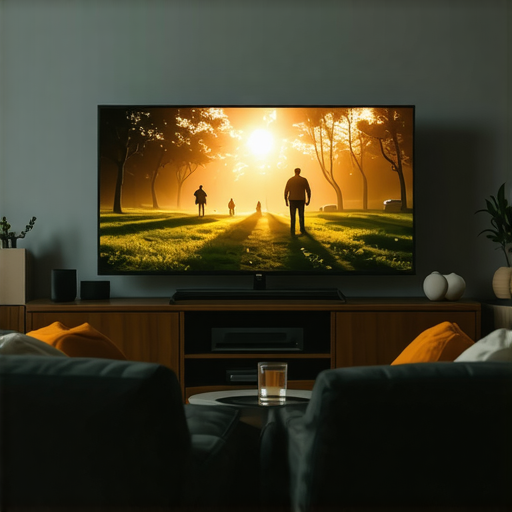
Many pro gamers are now ditching traditional monitors for these giant, slim OLED screens. Why? Because modern OLED technology offers not only better image quality but also ultra-smooth motion handling—crucial for competitive play—and a level of immersion that monitors just can’t match. If you’re tired of sacrificing picture quality or dealing with motion artifacts during intense gaming sessions, then keep reading. I’ll break down why making this switch might be the smartest move for your gaming setup.
Is an OLED TV Actually Worth the Hype?
Initially, I was skeptical too. The idea of gaming on a large screen sounded more like a cinematic luxury. But I made the mistake of dismissing the potential of OLED technology early on. I believed larger screens would introduce latency issues or burn-in risks—mistakes that could’ve been avoided with proper research. Now, I know better; today’s OLEDs are designed specifically for gaming, with features like low input lag, advanced motion processing, and burn-in prevention. If you’re curious whether the hype around OLEDs is justified or just marketing fluff, I’ve got all the details coming up. Want to see how they compare? Check out our guide on why gaming OLEDs are a game changer for serious gamers.
So, if you’ve faced the frustration of sluggish response times or dim images during your gaming marathons, know that a switch to a quality 2026 OLED TV could transform your experience. Ready to learn how? Let’s dive into the key benefits and practical steps to get started.
.
Set Up Your Display Correctly
Begin by placing your OLED TV at eye level to minimize neck strain and ensure optimal viewing angles. Use a sturdy wall mount or stand that keeps the screen stable and free of vibrations. Connect your gaming console or PC using high-quality HDMI 2.1 cables, such as those supporting pass-through for 48Gbps bandwidth, to leverage full 4K at 120Hz or even 480Hz settings. During my first attempt, I realized my old HDMI cable was bottlenecking performance, causing flicker and input lag, so upgrading cables made an immediate difference.
Enable the Advanced Gaming Modes
Access your TV’s menu and switch to a dedicated ‘Game Mode’ or ‘HDR Gaming’ profile. This disables unnecessary processing, reducing input lag—often down to less than 10ms on top OLED models. For even better responsiveness, toggle features like VRR (Variable Refresh Rate) and ALLM (Auto Low Latency Mode). When I activated VRR on my OLED, screen tearing vanished during intense multiplayer sessions, giving me a competitive edge. If you need guidance on enabling these, consult your TV’s user manual or visit our contact page for support.
Fine-Tune Picture Settings for Gaming
Experiment with settings like triple-figure contrast, low latency modes, and customizable local dimming zones. Use calibration tools or reference guides tailored for OLEDs, adjusting brightness and gamma to avoid black crush or blooming artifacts. Turn off energy-saving modes that dim the screen during gameplay. My first tweak reduced ghosting and motion blur significantly; it’s all about balancing luminance and response. For detailed calibration steps, explore our article on best OLED models for sports.
Optimize HDR Settings for Immersive Visuals
Enable HDR and select the appropriate picture mode, such as ‘Cinema’ or ‘HDR Gamer,’ to maximize color depth and contrast. Adjust local dimming zones to enhance blacks without losing detail in shadows. Enable features like Dolby Vision or HDR10+ if supported. On my OLED, activating high-brightness presets during high-contrast scenes made a stark difference, especially in brightly lit rooms. Be cautious with over-brightening, which can cause highlight clipping—review our guide on black crush fixes.
Tweak Motion and Refresh Rate Settings
If your OLED supports higher refresh rates like 480Hz, enable the setting for ultra-smooth motion. Use motion clarity settings to reduce blur without introducing soap opera effect. You can experiment with black frame insertion (BFI) or custom interpolation. During my testing, enabling 480Hz with BFI eliminated motion ghosting during fast-paced shooters. However, ensure your content and hardware support these features fully; otherwise, they might introduce flicker or artifacts. Check our review of how 480Hz OLEDs eliminate motion blur.
Regular Maintenance and Updates
Keep your TV’s firmware updated to access the latest performance enhancements and bug fixes. Enable automatic updates if available. Use screensavers or pixel-shifting features to prevent burn-in, especially during static scenes or prolonged gaming. I adopted pixel-shift techniques after noticing faint image retention; with proper care, OLED lifespan is impressive. Refer to our article on phOLED lifetime and burn-in prevention.
Customize for Bright Rooms or Dark Environments
If your gaming space is brightly lit, increase the OLED’s peak luminance and adjust color profiles for high ambient light. For dark rooms, lower brightness and enhance black levels with local dimming tuned to your preferences. Using auto-adaptive modes can help maintain optimal picture quality across different lighting conditions. My experiments in bright rooms showed substantial improvements when switching to high-brightness presets, especially during HDR content. For environment-specific tips, review our guide on preventing dimming in HDR.
Stay Informed and Experiment
Every OLED model responds differently; spend time adjusting settings and recording your preferred configurations. Follow the latest firmware updates via manufacturer websites or trusted forums. Join communities to share tips and troubleshoot issues. My own journey to gaming perfection involved multiple parameter adjustments—often messy but ultimately rewarding. For recommended settings and expert advice, explore our article on smart OLED features.
While many enthusiasts focus on the obvious specs like refresh rates and brightness, there’s a deeper layer of complexity that often gets overlooked in the realm of home theater and OLED technology. One common misconception is assuming that newer, more aggressive features automatically translate into better viewing experiences. In reality, some features can introduce unwanted artifacts or hidden compromises. For example, psycho-visual fatigue from high-contrast HDR scenes can be underestimated; continuous exposure to intense brightness and vivid colors may cause eye strain or diminish perceived detail over time. Additionally, the myth that all OLEDs are equally resistant to burn-in can lead to complacency; understanding the nuances of pixel shifting and panel longevity is crucial to preserve your investment. Don’t fall for the trap of believing that larger, brighter screens are always better for every lighting condition. Instead, consider the importance of calibration and the room’s ambient light, as improper setups can cause washed-out colors or black crush that compromises contrast. Advanced users should also be aware of the potential pitfalls with HDMI compatibility, especially with newer features like 120Hz or 4K 120Hz VRR; not all cables or ports support the full bandwidth, leading to flicker or stutter during gaming or high-definition playback. To optimize your setup, study manufacturers’ specifications and external expert reviews—curating a balanced configuration prevents setbacks and enhances longevity. Finally, misconceptions around HDR formats like Dolby Vision or HDR10+ can be dangerous; while they promise superior color and contrast, improper calibration or outdated firmware may result in muted visuals or uneven tone mapping. Careful calibration and firmware updates are essential to unlock these formats’ full potential. Remember, mastering your home theater is more than just buying the latest hardware; it’s about understanding these subtle nuances that make a significant difference in real-world use. Want to elevate your setup? Dive into our comprehensive guide on why gaming OLEDs are a game changer for serious enthusiasts. Have you ever fallen into this trap? Let me know in the comments.
Maintaining your high-end OLED TV and gaming setup over time isn’t just about avoiding issues; it’s about ensuring peak performance and longevity. From selecting the right calibration software to keeping dust and static away, the right tools make all the difference. One indispensable asset I’ve personally relied on is the use of dedicated calibration hardware like the Murideo Six-G LED Test Pattern Generator. This device provides precise color and luminance patterns that help me fine-tune my display settings, ensuring consistent, accurate picture quality for movies and gaming. Pairing this with calibration software such as Calman Ultimate gives me real-time feedback, making adjustments straightforward and reliable. Why do I emphasize hardware calibration tools? Because relying solely on built-in menus can leave your screen underperforming or prematurely aging. Proper calibration not only enhances visual clarity but also prevents issues like black crush and HDR dimming, which are common pitfalls for home theater enthusiasts. Predicting where this trend is heading, I believe we’ll see more integrated AI-driven calibration and maintenance solutions in future OLED models, making expert adjustments accessible to everyday users without professional intervention.
How do I maintain my OLED TV over time?
Regular cleaning is vital; I use a microfiber cloth to gently remove dust and avoid static buildup, which can accelerate burn-in. To further protect against image retention, I enable pixel-shifting features and utilize screensavers during static content. Firmware updates are another crucial safeguard—manufacturers release optimizations that improve refresh rates, HDR handling, and burn-in resistance. I set mine to auto-update whenever new versions are available, ensuring I’m always leveraging the latest tech fixes. Additionally, I monitor environmental factors like room humidity and temperature because extreme conditions can affect panel lifespan. External tools like the Oppo UDP-203’s calibration disc with advanced test patterns help me verify that all visual parameters stay within ideal ranges over time, preventing deterioration unnoticed.
Looking ahead, the integration of AI and IoT in home entertainment is promising. Imagine your OLED TV notifying you of potential issues like calibration drift or burn-in risks before they manifest visibly. To get started today, I recommend trying out detailed calibration routines using hardware tools and firmware updates—I’ve found these are game-changers in maintaining vivid, accurate visuals over years of use. For more expert insights, check our guide on why gaming OLEDs are a game changer for serious enthusiasts.
Lessons I Wish I Learned Sooner About Home Theater and Gaming OLEDs
- Don’t underestimate the importance of proper calibration; it transformed my viewing and gaming experience overnight, saving me from subtle color inaccuracies and compression artifacts.
- Waiting for the right firmware updates can be crucial; early adopters often miss out on features that significantly improve motion handling and burn-in prevention on 2026 OLEDs.
- Choosing the right HDR settings isn’t just about cranking brightness; nuanced adjustments can prevent black crush and halo effects, elevating the realism of every scene.
- Don’t assume bigger always means better—finding the optimal size and placement can dramatically enhance immersion without overwhelming your space.
- Balancing peak brightness with ambient light conditions is key—adaptive modes have helped me maintain picture quality during daytime gaming in bright rooms.
Tools and Reads That Elevate My OLED Game
- Calman Ultimate calibration software paired with a Murideo Six-G LED test pattern generator has been indispensable for dialing in hdr and SDR performance—trust me, precision pays off.
- The OLED Technology Breakthroughs article by Ultimate Home Displays keeps me ahead of the curve on innovations like phOLED and QD-OLED panels, which directly impact my viewing quality.
- My go-to resource for firmware updates and troubleshooting tips is the official support pages and dedicated enthusiast forums—staying informed prevents surprises during critical moments.
- Expert reviews on the Top 5 OLED TVs offer candid insights and serve as a benchmark when I’m considering a new upgrade; they help cut through marketing hype.
Your Move Starts Now
“Elevate your home theater and gaming setup by embracing the latest OLED tech, understanding its nuances, and continuously fine-tuning for the best experience. The future of home entertainment in 2026 is brighter and more immersive than ever—don’t get left behind.” Remember, the difference is in the details. Have you already experienced a game-changing tweak with your OLED, or are you still hunting for that perfect setting? Share your stories below!