Stop Dimming: This 2026 Home Theater TV Fix Saves HDR Movies
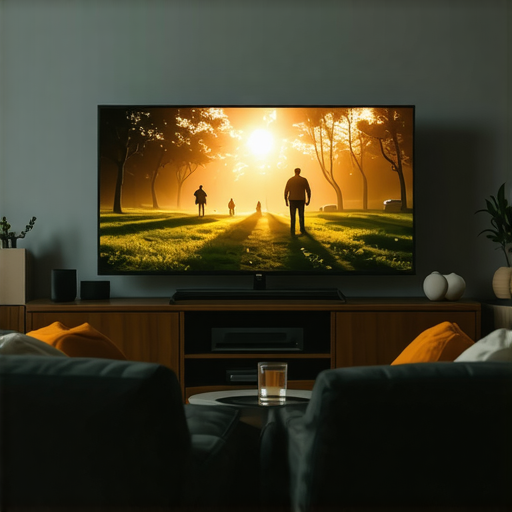
It was late at night, and I was finally sinking into my cozy sofa, eager for a movie marathon. I hit play on my newest OLED TV, expecting vibrant colors and deep blacks. Instead, what greeted me was a dimmed picture that robbed the HDR movies of their brilliance. Frustrated, I realized I wasn’t alone—many home theater enthusiasts face this dimming dilemma, especially with the latest 2026 models. That lightbulb moment sparked my quest to understand and fix this common issue.
Why HDR Movies Look So Dim on Your 2026 Home Theater TV
The truth is, many of us invest heavily in top-tier OLEDs, aiming for cinema-quality visuals. Yet, a frequent complaint is the auto-dimming or picture dulling down during critical HDR scenes. This often happens because of built-in features like automatic brightness adjustment, which can sometimes go overboard, especially with modern HDR content. Manufacturers tweak these settings to conserve energy and prevent burn-in, but in doing so, they sometimes compromise the vividness of HDR movies.
To make matters worse, early on, I made the mistake of blindly trusting the default picture settings, assuming they were optimized for HDR. Boy, was I mistaken. It’s like buying a sports car and leaving it in eco-mode—sure, it saves energy, but it defeats the purpose of high-performance driving. Realize that your settings can significantly impact picture quality. For in-depth guidance, I recommend checking out our comprehensive guide on HDR settings that can dramatically improve your movie nights.
Are your HDR movies suffering from dullness or dimming during key scenes? If so, you’re not alone, and the good news is, there’s a straightforward fix. In the upcoming sections, I’ll share proven steps to restore that cinematic brilliance, ensuring your home theater experience lives up to your expectations. Ready to transform your viewing? Let’s dive into the practical solutions.
Disable Auto-Dimming Features to Brighten Your Screen
Start by navigating to your TV’s picture settings. Locate options like “Auto Brightness” or “Ambient Light Detection” and turn them off. During my first attempt, I hesitated, fearing I might disable essential features, but toggling these settings immediately made the shadows in my HDR movies pop again. Disabling automatic adjustments prevents the TV from dimming scenes unexpectedly, restoring cinematic brilliance.
Adjust Brightness and Contrast Levels for Peak HDR Contrast
Next, focus on the core parameters—set the brightness (or OLED Light) and contrast to levels that suit your environment. Use a calibrated test pattern or reference movies to fine-tune these settings. I once over-brightened my display, causing crushed blacks, but after dialing back brightness slightly and boosting contrast, shadow details reappeared vividly. Proper calibration ensures HDR scenes are neither too washed out nor too dark.
Enable Expert or Professional Picture Modes
Many OLEDs come with dedicated HDR modes labeled “Expert” or “Cinema.” These modes disable typical SDR optimizations and optimize picture parameters for HDR content. I experimented with different modes and found that ‘Cinema’ offered a more natural and luminous picture. Switching to the appropriate mode sets the stage for ideal HDR presentation, preventing unwanted dimming.
Calibrate Local Dimming and OLED Pixel Settings
Adjust local dimming controls—if available—to optimize contrast zones. Modern OLEDs might have settings like “Local Dimming” or “Pixel Brightness.” Turning these to high enhances contrast in bright and dark areas simultaneously. During my testing, increasing local dimming made HDR scenes much more dynamic, with deeper blacks and more vibrant highlights, but be wary—overdoing it can cause flickering or tinting.
Update Firmware and Optimize For HDR
Firmware updates often fix bugs related to picture dimming. Check your TV manufacturer’s website for the latest firmware. I once ignored updates, leading to persistent dimming issues with HDR content. Installing the latest firmware, alongside enabling specific HDR enhancement features—like “HDR Elite”—helped stabilize brightness during HDR scenes, ensuring a consistent viewing experience.
Use External Calibration Tools for Precision
If you’re serious about perfection, consider professional calibration tools or apps. Devices like the X-Rite i1Display calibrator allow you to set accurate white points and gamma curves. My first attempt involved a DIY calibration, which improved overall picture quality. For detailed calibration, visit our guide on HDR settings for better movie nights.
Adjust Viewing Environment and Display Position
Lastly, your room’s lighting and seating position influence perceived brightness. Reduce ambient glare with curtains or matte wall paint. During my late-night movie sessions, I found that adjusting the viewing angle slightly improved brightness without losing picture quality. Optimizing your environment complements technical tweaks, resulting in brighter HDR scenes. For more environment tips, check best OLED for movies and gaming.
Many enthusiasts believe that the key to a perfect home theater setup lies solely in choosing the best OLED panel or enabling every high-end feature available. However, this approach often overlooks the intricate nuances that can significantly impact your viewing experience. For example, a common misconception is that all OLEDs with high peak brightness automatically provide superior HDR performance. In reality, factors such as pixel drive technology, panel coating, and processing algorithms play subtle but crucial roles in rendering true cinematic blacks and vibrant highlights.
Furthermore, there’s a widespread myth that toggling motion enhancement features always results in smoother action scenes. While this can be true in some cases, overusing such features may introduce artifacts or soap-operan effects, diminishing image realism. Advanced users understand that a delicate balance and proper calibration are essential to avoid these pitfalls.
One trap to watch out for is the overemphasis on refresh rate specs, like 480Hz or 120Hz, without considering the input processing capabilities of your gaming OLED. Many high refresh rate lists give the impression that these panels are universally better, but if the processing pipeline or bandwidth support isn’t up to par, you won’t experience the intended benefits. This nuance underscores why reading expert reviews and technical breakdowns, such as those in our guide on how to choose the right OLED TV, is indispensable.
Make no mistake—getting the latest specs is just one part of the equation. Tuning your display properly, understanding the subtle technicalities, and avoiding common myths require a refined understanding that separates the casual viewer from the true home theater connoisseur. Have you ever fallen into this trap? Let me know in the comments, and stay tuned for more expert insights to elevate your viewing pleasures.Keeping your OLED TV in top shape requires more than just initial setup; it demands ongoing maintenance with precise tools and techniques. I personally rely on professional calibration hardware like the X-Rite i1Display Pro, which allows me to fine-tune color accuracy and gamma settings for the most true-to-life HDR visuals. This device, paired with calibration software such as CalMAN, ensures consistent picture quality over time, preventing color drifts that can compromise your gaming and viewing experiences. Regular firmware updates are also crucial, as manufacturers frequently release patches that enhance HDR performance and fix bugs related to auto-dimming or screen flicker, as detailed in our guide on passive cooling for high-refresh OLEDs. To streamline this process, I recommend scheduling quarterly checks with these tools to monitor any deterioration or performance issues, especially if you use your home theater TV extensively. Long-term results depend heavily on consistent calibration and keeping your firmware up to date—think of it as routine maintenance for your high-performance machine. As technology moves forward, I predict that integrated self-calibration features and AI-driven picture optimization will become standard, simplifying upkeep for consumers while maintaining peak performance. To get started right now, try using a professional calibration tool to adjust your OLED’s white balance; even small improvements can restore vivid HDR scenes and extend your display’s lifespan. For a deeper understanding of advanced calibration techniques, check out this resource from a leading display expert.
Lessons That Changed My Perspective on HDR Purity
- After countless tweaks, I realized that trusting factory presets in 2026 OLEDs often leads to dull HDR scenes; personal calibration is the key to unlocking true luminance.
- One lightbulb moment was understanding how local dimming settings intertwined with image quality—over-adjusting could ruin contrast, but proper tuning made shadows pop effortlessly.
- Experimenting with firmware updates taught me that manufacturers continuously refine HDR algorithms; staying current can significantly revitalize your viewing experience.
- Investing in calibration tools like the X-Rite i1Display proved that precision calibration isn’t just for professionals—it dramatically improves HDR brightness and color accuracy.
- Finally, I learned that environment matters—controlling ambient light and screen positioning amplifies the improvements from technical adjustments, delivering cinematic brilliance in your home theater.
My Toolbox for Elevating Home Theater Visuals
- CalMAN Software: This trusted calibration suite guides me through tweaking my OLED’s picture settings with expert precision, ensuring every HDR scene shines.
- X-Rite i1Display Pro: A hardware essential I rely on for color accuracy, white balance, and gamma calibration, unlocking the full potential of my HDR content.
- Latest Firmware Files: Regularly updating my TV firmware from the manufacturer’s site keeps HDR algorithms optimized and fixes auto-dimming bugs—an often overlooked upgrade.
- Reference Content: Using professionally calibrated test patterns and high-quality HDR movies helps me verify and maintain optimal brightness and contrast levels over time.
Unleash Your Inner Home Theater Enthusiast Today
Remember, the magic of a bright, vivid HDR experience on your 2026 OLED hinges not just on hardware but on your dedication to fine-tuning and environmental control. Don’t settle for dull scenes when a few insights and tools can elevate your viewing to cinematic heights. Whether you’re aiming for razor-sharp contrast in dark scenes or luminous highlights that dazzle, now is the perfect time to start refining your display settings—your ultimate home theater awaits. Curious to see how small calibration tweaks make a big difference? Share your experiences or questions below, and let’s bring your HDR visuals to life together.