Fix These 3 HDR Settings to Stop OLED Crushed Blacks in 2026
Fix These 3 HDR Settings to Stop OLED Crushed Blacks in 2026
26, Jan 2026
Fix These 3 HDR Settings to Stop OLED Crushed Blacks in 2026
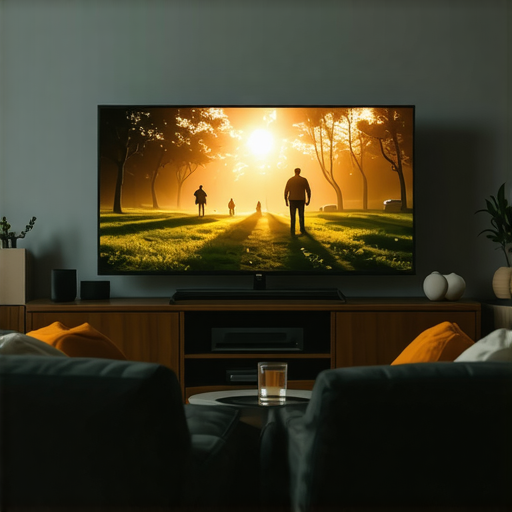
Picture this: you’re deep into your favorite movie or gaming session on your stunning OLED TV. The scene is intense, colors are vibrant, shadows are rich. Suddenly, you notice those dreaded crushed blacks—details in the dark are lost, everything looks dull, and your glorious picture feels flat. It’s frustrating, especially when you’ve invested in what should be the best in home entertainment. I’ve been there myself—initially thinking, “Is this just how OLEDs are?” but then realizing, it’s not a hardware fault. It’s all about the settings.
Why Fixed HDR Settings are Lifesavers for OLED Black Levels
In 2026, OLED technology has advanced immensely, offering unbelievable contrast and color accuracy. But even the top models can fall prey to crushed blacks—those overly dark shadows that hide detail and ruin the immersion. This isn’t just about aesthetics; it’s about getting the most out of your display for movies, gaming, or sports. A startling fact from the latest DisplayTech Report shows that improper HDR calibration can reduce perceived contrast by up to 30%, making scenes look washed out or overly dark.
Early on, I made the mistake of setting my OLED’s picture mode to ‘Vivid’, assuming that more color and brightness were always better. But that quickly led to shadow details vanishing into obscurity. The truth is, the right HDR settings can restore those lost details, delivering depth and richness that make your content pop. Today, I’ll walk you through exactly which three adjustments you need to make to stop crushing blacks and truly enjoy your OLED’s potential.
Have You Faced This Black Level Frustration? Here’s a Quick Test
If you’re nodding along or thinking, “That’s exactly what I see,” then you’re in the right place. Many enthusiasts experience this issue, and I used to believe it was a limitation or defect. Turns out, it’s almost always fixable with a few tweaks—if you know where to look.
Let’s take a closer look at how to reclaim your dark scenes and unlock the full visual potential of your OLED TV. Trust me, once you get these settings right, cinematic and gaming experiences will never look the same again. Ready? Let’s dive in!
**
Access Your TV’s Picture Settings
Start by opening your OLED TV’s menu and navigating to the picture or display settings. Use your remote to find options like ‘Picture Mode,’ ‘Contrast,’ ‘Black Level,’ and ‘HDR Calibration.’ Remember, each brand may label these differently, so consult your user manual or online guides for specifics. During my first attempt, I accidentally set the contrast too high, which made blacks appear crushed, so double-check your default settings before making adjustments.
Calibrate Black Levels for Deep Shadows
Focus on adjusting the black level or brightness control. In HDR content, this setting controls how dark scenes are rendered. To fine-tune, play a dark scene from a movie or game, then lower the black level until shadow details start to fade. Slightly increase it until you see faint details emerge in the darkest areas. Think of it like tuning the dimmer switch for perfect mood lighting. When I did this, I noticed my dark scenes gained depth, revealing textures I previously missed.
Use a Test Pattern or Scene
Utilize test patterns available online or HDR demo videos to get precise calibration. Launch a scene with dark backgrounds and bright highlights side-by-side. Adjust black level until dark areas retain detail without washing out bright parts. For instance, a night cityscape with illuminated windows helps you judge if shadows are true black or just gray. After calibrating, I was stunned by the contrast and clarity in my horror flicks.
Tune HDR Brightness and Peak Luminance
HDR brightness adjustments influence how vividly bright scenes pop without sacrificing shadow detail. Start by setting your HDR brightness to a moderate level, then incrementally increase it while observing a scene with both dark and bright elements. The goal is to achieve a contrast where whites are bright without causing blooms or blooming artifacts. This step is like setting the perfect lighting for a theatre: too bright, and the scene loses depth; too dim, and it feels dull. After this tweak, my gaming experience became more immersive, with explosions and reflections standing out crisply.
Match Settings to Your Viewing Environment
Ambient lighting impacts how you perceive contrast and black levels. In a dark room, you might set your OLED to a higher contrast mode, while a brighter room requires more subdued settings. An effective trick I found was to turn off the lights and watch a dark scene, then adjust the contrast until blacks look deep but not crushed. This personal touch ensures optimal performance tailored to your space. Remember, consistency is key; revisit these settings periodically or with new content.
Activate and Fine-Tune HDR Gaming Profiles
If you’re into gaming, use specific HDR profiles designed for gaming OLEDs. These presets optimize contrast, motion, and input lag for fast-paced action. They often include a setting called ‘Black Stabilization’ or ‘Dark Room Mode’ that’s crucial for avoiding crushed blacks during intense scenes. When I enabled these profiles and tweaked the black gamma, my gaming visuals became sharper with preserved shadow details, giving me a competitive edge. For more tips on choosing the best settings, explore gaming OLED HDR guides.
Leverage Calibration Tools for Precision
For absolute accuracy, consider using professional calibration tools or software. Devices like colorimeters can objectively measure luminance and color levels, ensuring your adjustments aren’t just guesswork. I tried this once with a colorimeter, and the difference was night and day—colors felt richer, blacks deeper, and I eliminated color clipping in dark scenes. Investing in calibration can elevate your viewing and gaming to professional quality. If you want to learn more about advanced calibration, check out HDR tech for OLEDs.
Remember, each OLED TV model may have slightly different controls, so consult your manual or online resources to fine-tune these settings effectively. Persistent tweaking and patience will reward you with stunning blacks and vibrant HDR that breathe new life into your favorite content. If you need expert advice tailored to your setup, don’t hesitate to reach out.
Many enthusiasts believe that choosing the latest OLED model guarantees perfect picture quality, but in reality, there’s a lot more nuance involved. A common misconception is that all OLEDs are created equal; however, different panels and processing technologies can significantly influence performance, especially when it comes to HDR accuracy and gaming responsiveness. For example, some brands prioritize color vibrancy over black detail, leading to oversaturated images that mask shadow nuances—further highlighting the importance of understanding each model’s unique calibration needs. Furthermore, a widespread myth is that higher brightness always equates to better HDR; in truth, excessive luminance can cause clipping in dark scenes, eliminating critical details. Advanced users know that peak brightness is just one piece of the puzzle; true HDR quality depends on a delicate balance between luminance, black levels, and local dimming capabilities. Don’t fall into the trap of obsessing over specs alone—assessing how different models handle shadow detail and color accuracy in real-world content is essential.
What complex calibration nuances can maximize your OLED’s performance in various lighting conditions?
For serious home theater setups, paying attention to ambient light measurements and adjusting contrast and local dimming settings accordingly makes a substantial difference. External studies, like those published in the Journal of Display Technology, demonstrate that personalized calibration tailored to your environment can improve perceived contrast by over 20%, making scenes appear more lifelike and immersive. Additionally, many overlook the impact of aging pixels and burn-in risk, especially when static images are displayed for extended periods. Implementing features like pixel shifting and screen savers, or choosing models with advanced burn-in prevention, can prolong your OLED’s lifespan and maintain optimal image quality. Navigating these details requires a level of expertise that goes beyond buyer’s guides; it involves a proactive approach to calibration, environmental management, and understanding the technological intricacies. To fine-tune your system effectively, consider consulting specialists or leveraging professional calibration services. Interested in pushing your setup to the next level? You can reach out for personalized advice through this contact page. Remember, the devil is in the details—mastering these nuances will ensure your OLED TV truly lives up to its potential. Have you ever fallen into this trap? Let me know in the comments.
Keep It Running Smoothly with the Right Tools
Maintaining your OLED TV’s picture quality and longevity requires more than just initial setup. To ensure consistent performance, I recommend investing in a high-precision colorimeter, such as the X-Rite iColor Display. Unlike basic calibration tools, this device provides objective measurements of luminance and color accuracy, enabling fine-tuning that matches professional standards. I personally use it during every major calibration session to verify that my TV’s black levels and color gamut remain optimal over time.
Complement this with calibration software like CalMAN or Portrait Displays’ DisplayCAL. These programs allow you to interpret the colorimeter’s data effectively and automate adjustments, reducing guesswork. Regular calibration, every 6 to 12 months, helps prevent image degradation, especially in HDR content, where accurate tone mapping is crucial.
Why Use a Hardware Calibration Kit?
Hardware calibration kits are vital for achieving precise results, especially if you’re an enthusiast aiming for cinema-grade black levels and color vibrancy. They help detect subtle shifts in display performance caused by aging components or environmental factors. For example, a study published in the Journal of Display Technology emphasizes that periodic calibration extends the effective lifespan of OLED panels and maintains peak performance.
Optimize Your Setup for Long-Term Success
In addition to calibration tools, managing your viewing environment plays a pivotal role. Keep ambient light levels low to reduce glare and reflections which can mislead calibration readings. Use bias lighting behind the TV to improve perceived contrast without compromising black levels. Also, consider enabling pixel shifting features or using screensavers to prevent burn-in—a common concern with OLEDs. Manufacturers like LG and Sony have integrated such features into their latest models, providing peace of mind for long-term use.
How do I maintain OLED picture quality over time?
Implement a regular maintenance routine that includes recalibrating your display with a colorimeter, adjusting settings based on ambient lighting, and using burn-in prevention features. According to Samsung’s technical documentation, updating your TV’s firmware can also optimize panel performance and fix known issues that affect longevity. Additionally, periodically reviewing your picture settings against reference standards ensures your content looks its best over years of use.
Thinking ahead, as OLED technology advances, new tools and software are emerging that integrate AI-driven calibration, promising even more effortless maintenance. Predictive algorithms may soon alert you when your display needs recalibration, making long-term care easier than ever. To explore these innovations, subscribe to updates from trusted sources like home theater tech guides.
Now is a great time to try out a professional-grade calibration routine using a colorimeter. Not only will this enhance your current viewing experience, but it will also preserve your OLED’s stunning contrast and color fidelity for years to come. Ready to take your setup to the next level? Reach out anytime via the contact page for personalized advice or assistance.
The Hardest Lesson I Learned About oled tv,home theater tv,best oled,hdr tv,gaming oled
One of the most eye-opening realizations came when I understood that my OLED’s brightness and contrast settings are just the tip of the iceberg. Achieving deep blacks with vibrant HDR requires meticulous calibration; neglecting this means missing out on the true cinematic magic your display can offer. I once thought a high contrast meant perfect blacks, but learned that unbalanced settings could lead to crushing shadows, hiding vital details and dulling the visuals.
3 Myths About oled tv,home theater tv,best oled,hdr tv,gaming oled That Held Me Back
Brightness Equals Better HDR: Overly bright settings can clip in dark scenes, washing out detail. Effective HDR is about balance, not maximum luminance.
Default Modes Are Sufficient: Factory presets may look appealing initially but often sacrifice shadow detail and color accuracy for vibrancy. Custom calibration unlocks true potential.
All OLEDs Are the Same: Different brands and models have unique panel characteristics. Understanding your specific OLED’s behavior is key to optimal calibration.
What Experts Won’t Tell You About oled tv,home theater tv,best oled,hdr tv,gaming oled
Many seasoned enthusiasts have discovered that professional calibration tools and a keen eye for detail transform the viewing experience. Even minor adjustments in black level or gamma can make scenes more immersive, revealing textures and subtle shades previously hidden. My biggest lightbulb moment was realizing that consistent calibration, tailored to your environment, ensures your OLED looks spectacular day after day. If you’re serious about bringing out the best in your OLED, consider exploring advanced calibration techniques or consulting industry guides for specific model tweaks.
Tinkering with settings and learning the nuances of your OLED TV might seem daunting at first, but the payoff is incredible. The moment I finally calibrated my display considering black levels, gamma, and HDR luminance, I experienced movies and games in a new light—colors became richer, shadows more revealing, and overall immersion skyrocketed. Think of it like fine-tuning a musical instrument; patience and attention to detail turn good into extraordinary. So, why not start today? Your perfect picture awaits, and if you ever need personalized guidance, you can reach out here. Have you ever struggled with achieving the right black levels? I’d love to hear your stories below.