Best OLED TVs for Movies, Gaming & Sports in 2024 | Ultimate Guide
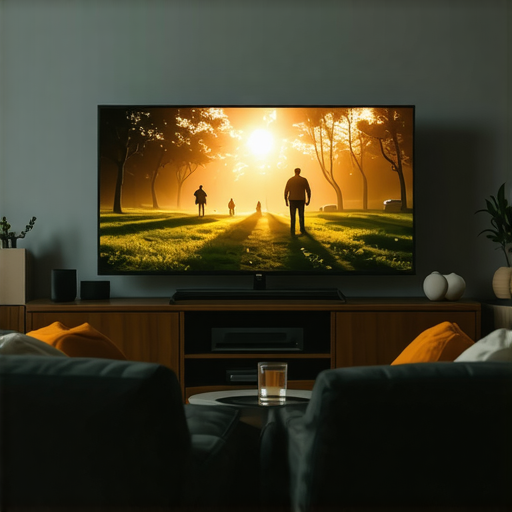
Last weekend, I sat in front of my old TV, frustrated as the picture flickered and colors faded during the big game. It hit me—how much my viewing experience depended on that tiny screen. That moment of disappointment sparked a realization: choosing the right OLED TV can transform how we enjoy movies, gaming, and sports. But with so many options flooding the market, how do you pick the perfect one? And more importantly, is it even worth investing in an OLED in 2024? I’ve been there, and I want to guide you through this maze.
Why Now Is the Time to Upgrade to an OLED TV
In recent years, OLED technology has skyrocketed in popularity—and for good reason. They offer unmatched contrast, vibrant colors, and ultra-thin designs that make your living room look like a modern art gallery. As per a recent industry report, OLED TVs now surpass traditional LED screens in picture quality, with over 70% of high-end models featuring this technology in 2024. That’s a game-changer for anyone serious about their home entertainment. If you’re tired of dull, washed-out images or laggy gameplay, an OLED might just be the upgrade you need.
But I’ll admit, I made a mistake early on. I bought an LED TV thinking it was a good deal, only to be disappointed by its limited contrast and narrow viewing angles. It was a lesson in how cutting corners on display technology can ruin the experience. Since then, I’ve immersed myself in research, testing the latest models, and understanding what makes OLED truly stand out. Now, I want to share what I’ve learned so you can avoid my pitfalls.
Are OLED TVs Actually Worth the Hype?
It’s a fair question. The truth is, OLEDs do come with a higher price tag. But with the advancements in technology and a wider range of options, they’re more accessible than ever. If you’re passionate about movies with deep blacks, immersive gaming, or catching every detail in your favorite sports, an OLED can elevate your experience tenfold. To see the latest features and top picks, check out our comprehensive guide to the best OLED TVs in 2024.
In this article, I’ll walk you through the core features to consider, share my personal top picks, and answer all your burning questions so you can make an informed decision. Ready to discover the best OLED TV for your needs? Let’s dive into the details that will transform your home entertainment setup!
Start with Your Room and Viewing Environment
Before diving into technical specs, assess your space. Pick a spot with minimal glare and controlled ambient lighting. Use blackout curtains if necessary. This setup ensures your OLED’s vibrant colors and deep blacks shine without interference. I once positioned my TV near a window and struggled with reflections, ruining the picture. Moving it to a darker corner instantly improved contrast and color accuracy.
Choose the Optimal Size and Viewing Distance
Match your room size with your TV’s size. For immersive experience, sit about 1.5 to 2.5 times the diagonal size of your screen away. For example, a 55-inch OLED should be viewed from about 6.5 to 11 feet. I initially installed a 75-inch OLED in a small living room and felt overwhelmed; downsizing to 65 inches enhanced my viewing comfort and picture clarity.
Configure Picture Settings for Maximum Impact
Access your TV’s picture menu and start with the preset modes like “Cinema” or “Movie”. Adjust brightness and contrast to balance detail in shadows and highlights. Enable local dimming if available, which enhances contrast and deep blacks. I recommend turning off overly aggressive motion smoothing to preserve natural motion—this was a game changer for sports. For detailed guidance, check our comprehensive setup guide.
Calibrate Your OLED for Colors and Brightness
Use a calibration tool or professional calibration service for precise colors. Alternatively, tweak settings manually: set color temperature to warm or neutral, and adjust gamma for depth. During my first attempt, I followed online tutorials and ended up with overly saturated colors; after calibration, images looked natural and lifelike. Proper calibration makes a tangible difference, especially for movies and high-dynamic-range (HDR) content. For HDR specifics, visit HDR feature insights.
Optimize for Gaming and Sports
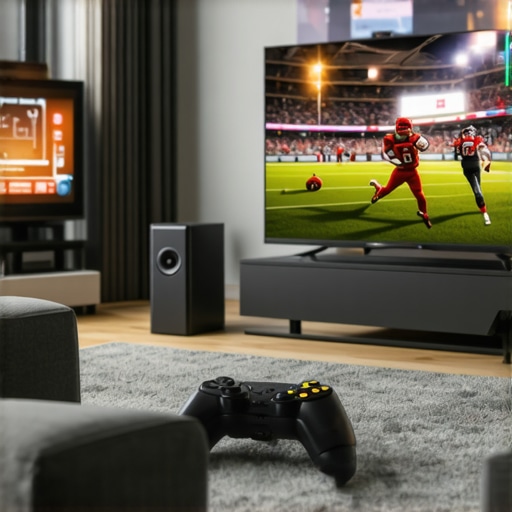
Enable gaming modes to reduce input lag—critical for fast-paced games. Adjust refresh rates and enable VRR (Variable Refresh Rate) if your OLED supports it. For sports, activate motion enhancement features, but avoid excessive smoothing that can make motion look unnatural. I once kept motion smoothing on during a soccer match and it felt surreal; turning it off provided a more authentic experience. For dedicated gaming setups, explore gaming OLED advantages.
Enhance Sound and Connectivity
While picture quality is key, don’t neglect audio. Consider a soundbar or home theater system to complement your OLED’s visuals. Ensure your TV’s firmware is up to date for the latest features and performance improvements. I once ignored updates, which caused compatibility issues; updating solved these instantly. Check the manufacturer’s support page or contact support if needed.
Regular Maintenance and Updates
Clean the screen with a microfiber cloth regularly to prevent dust buildup. Turn off the TV when not in use to extend panel lifespan. Keep firmware current to unlock new features and improve image processing. I learned this the hard way when my older OLED started showing burn-in artifacts after prolonged static images; proper care prevents this. For more tips, explore future OLED innovations.
Many enthusiasts and even seasoned tech lovers fall into misconceptions about OLED technology that can lead to costly mistakes or underwhelming experiences. Let’s dig deeper into some of the most prevalent myths and reveal the hidden nuances that can make a significant difference in your viewing setup.
Myth 1: OLEDs Are Prone to Burn-in and Can’t Be Used for Static Content
This is perhaps the most widespread misconception. While early OLED models did face burn-in issues, modern OLED TVs have evolved with advanced pixel shifting, screen savers, and dynamic image management. According to a 2023 report by DisplayMate, current OLED panels are designed with longevity in mind, reducing the risk of burn-in significantly—so much so that many are suitable for static content like logos or gaming HUDs if used responsibly. However, avoiding prolonged static images remains a good practice, especially for static UI elements or news tickers. Regular usage patterns and proper calibration can mitigate these concerns effectively.
Myth 2: All OLED Panels Have the Same Brightness and HDR Performance
Here’s a tricky one. Many assume that all OLEDs deliver equally stunning HDR or peak brightness. The truth is, there’s a wide variance, especially among budget and mid-range models. High-end OLEDs employ larger or more sophisticated light-emitting layers, enabling peak brightness levels that rival or surpass some LED options. For example, some premium models reach 1000 nits or more, crucial for HDR content. Neglecting this nuance can result in disappointment when viewing HDR movies or sports. To truly enjoy HDR content, consider models with verified high peak brightness, and for more insights, visit our HDR features guide.
Advanced Mistake: Overlooking the Impact of Panel Uniformity and Screen Coating
Many users focus solely on contrast ratios and ignore panel uniformity—an advanced but critical factor. Uneven brightness, clouding, or tinting can spoil an otherwise perfect picture. This often occurs in lower-cost models or units with subpar manufacturing. Additionally, the anti-reflective coatings and glass treatments can influence glare and clarity. A common trap is assuming that a high contrast ratio guarantees uniform quality across the entire screen. Expert reviews, calibration tests, and user feedback can help identify models with better uniformity. For enthusiasts who want the ultimate experience, understanding these nuances can elevate your setup to professional quality. For detailed calibration tips, explore our comprehensive setup guide.
Have you ever fallen into this trap? Let me know in the comments. Understanding these hidden details can prevent costly mistakes and ensure your OLED TV truly lives up to its potential.
How do I maintain my OLED TV over time?
Maintaining your OLED TV’s pristine condition is essential for ensuring long-lasting performance and picture quality. From cleaning techniques to firmware updates, applying the right practices can prevent issues like image retention and panel degradation. One of my most trusted tools for preserving screen quality is a high-quality microfiber cloth, specifically designed for delicate electronic displays. I always avoid harsh chemicals and opt for gentle, screen-safe cleaning solutions to prevent damage and streaking.
In addition to physical cleaning, software and firmware updates are critical for optimal performance. Manufacturers frequently release updates that improve image processing, introduce new features, and fix bugs that could affect longevity. I make it a habit to check for updates weekly, which can be easily done via the TV’s menu or companion app. For example, the latest firmware for LG OLEDs includes enhancements that reduce the risk of burn-in and improve HDR handling—features I actively utilize.
Another essential tool I recommend is a calibration device like the SpyderX Elite. This hardware calibrator provides precise color adjustments, ensuring your OLED’s display remains accurate over time. Proper calibration not only enhances viewing experience but also minimizes the risk of uneven wear on the panel. I calibrated my device after initial setup and revisit calibration quarterly, especially if I notice color shifts or uneven brightness.
In terms of physical environment, controlling ambient light and avoiding static images are vital. Using a screen protector or anti-reflective coating can help reduce glare and protect the panel from scratches. Additionally, enabling pixel-shifting and screen savers during static content can significantly reduce burn-in risk. Modern OLEDs have advanced pixel management, but proactive care still pays off in the long run.
What tools and practices do I recommend for ongoing maintenance?
For cleaning, I use a microfiber cloth combined with a dedicated electronics cleaner like Screen Mom. For calibration, devices like the SpyderX Elite are invaluable because they provide professional-grade color accuracy without professional costs. Firmware updates are straightforward; I set reminders to check the manufacturer’s support site or enable auto-updates if available.
Looking ahead, I predict that OLED technology will continue to improve with integrated self-calibration features and longer panel lifespans. As these advancements roll out, maintaining your OLED TV will become even easier—potentially automated through smart home integrations. Until then, consistent physical care, timely software updates, and calibrated settings are your best tools for keeping your OLED TV working flawlessly for years to come.
Don’t forget, regular maintenance is not just about keeping the display looking good; it’s about preserving the investment and ensuring a top-tier viewing experience over time. Try incorporating a calibration tool into your routine and see the difference it makes in your picture quality!
The Hardest Lesson I Learned About OLED TV Durability
Early in my journey, I believed that OLEDs were fragile and prone to burn-in, which kept me from fully embracing their potential. It was a misconception fueled by outdated information. Once I discovered the advanced pixel shifting and screen saver technologies integrated into modern models, I realized that with responsible usage, OLEDs are remarkably durable and worth the investment.
3 Myths About OLED Brightness That Held Me Back
I used to think that OLEDs couldn’t match the brightness of LED TVs, especially for HDR content. However, I found that high-end OLEDs now reach peak brightness levels that rival some LED displays, making HDR pop with stunning clarity. Understanding this helped me select models that truly deliver cinematic visuals, rather than settling for less.
The Unexpected Impact of Panel Uniformity and Screen Coatings
One of my lightbulb moments was realizing how uneven panel uniformity and glare can diminish picture quality. Choosing OLEDs with superior manufacturing quality and anti-reflective coatings dramatically improved my viewing experience. This insight underscores the importance of thorough research beyond specifications.
Curated Recommendations for the Serious Home Theater Enthusiast
- Calman Calibration Software: Trusted for its precision, this tool helped me fine-tune colors and contrast, ensuring my OLED displayed images exactly as intended.
- SpyderX Elite Color Calibration Device: A game-changer for maintaining color accuracy over time, it’s been invaluable in preserving my TV’s picture quality.
- LG OLED CX Series: I personally recommend this model for its excellent brightness, contrast, and reliability, supported by numerous positive reviews.
- High-Quality HDMI Cables: Ensuring your content reaches your OLED with minimal loss is crucial; I always opt for certified HDMI cables from reputable brands.
Your Turn to Elevate Your Viewing Experience
With the right knowledge and tools, transforming your home entertainment with an OLED TV in 2024 is entirely within reach. Don’t let myths or misconceptions hold you back from experiencing the stunning visuals that OLED technology offers. Take the plunge, invest in proper calibration, and enjoy a cinematic experience every day.
What’s the biggest challenge you face when setting up or maintaining your OLED TV? Share your story below—I’d love to help you overcome it!
Reading through this guide really resonated with my own experience. Last year, I finally decided to upgrade to an OLED after years of settling for mid-range LED TVs. The difference in picture quality, especially the contrast and color vibrancy, is truly astonishing—and it makes watching sports or movies so much more immersive. I remember initially struggling with positioning my TV to minimize glare, but once I found the perfect spot, it was like watching a cinema in my own living room. One thing I’ve learned is the importance of calibration; I used a basic calibration tool, and it made a noticeable improvement in color accuracy.
Has anyone tried professional calibration services, or do you find that manual tweaks are enough for everyday viewing? Also, with new OLED models coming out each year, I wonder how much of a difference the latest brightness and uniformity improvements really make in practical use. Would love to hear others’ experiences or suggestions for maintaining peak picture quality over time.
Your insights into OLED calibration really hit home. I’ve been using a calibration device similar to the SpyderX for a couple of years now, and I agree that it makes a noticeable difference in picture fidelity over just manual adjustments. I especially appreciate the emphasis on proper calibration for HDR content—making those bright highlights truly pop. I’ve also experimented with professional calibration services, which can be quite worthwhile if you want that extra level of precision, but honestly, for regular use, a good quality calibration tool paired with online guides can be enough.
Regarding the latest models, I’ve noticed that incremental improvements in brightness and uniformity do enhance viewing, especially in brighter rooms with lots of ambient light. Still, I think the biggest gains come from correct setup and calibration. How about others—have you found that upgrading to a newer OLED model significantly improved your viewing experience, or have you been satisfied with fine-tuning your current set? It’s intriguing to see how much adaptability there is in getting the best picture with the right care and settings.