Best OLED TVs for Movies, Gaming & Sports | 2024 Buying Guide
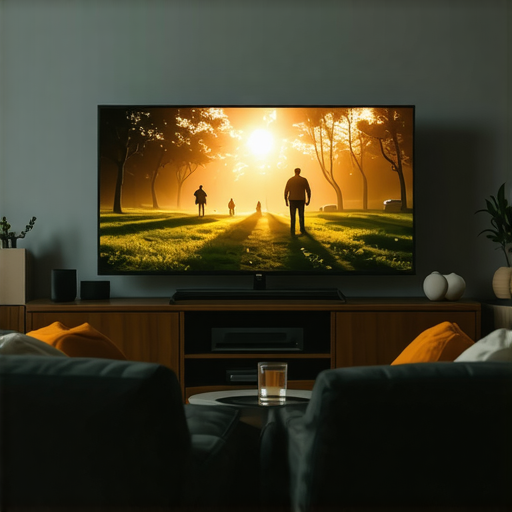
Ever thrown a movie night with friends, only to be disappointed by dull colors or washed-out images? Or sat down for a gaming marathon, only to realize your TV’s refresh rate makes every move look choppy? I’ve been there. I once bought an OLED TV that looked stunning during the day but faded into obscurity when the lights dimmed—because I overlooked its ability to handle dark scenes or HDR content. That lightbulb moment taught me a crucial lesson: not all OLED TVs are created equal, especially when you want the best for movies, gaming, or sports.
Why Your Next TV Should Be an OLED in 2024
OLED technology has been transforming home entertainment for years, offering vibrant colors, perfect blacks, and incredibly thin designs. But with so many options out there, how do you pick the right one? Well, the answer isn’t just about size or price—it’s about understanding what makes a TV truly excel in what matters most to you. If you’re into movies, you’ll want stunning HDR performance. For gamers, a quick response time and high refresh rate are non-negotiable. Sports fans? Brightness and motion handling matter. My goal today is to guide you through these choices, so you avoid costly mistakes and end up with a TV that elevates your viewing experience.
Is All OLED TV Technology Equal or Worth the Hype?
When I first started exploring OLEDs, I made a rookie mistake—I bought a model based solely on reviews praising its picture quality, only to find out it struggled with viewing angles or couldn’t handle quick-moving scenes. That’s a common pitfall. Not all OLEDs are optimized for every use case. Some excel in cinematic visuals, while others are tailored for gaming or sports. In my early days, I overlooked how important it was to match the TV’s features with my specific needs. Learning to distinguish these details will save you money and frustration. For a comprehensive breakdown, check out our Ultimate Home Theater Guide 2024.
Now, I want to help you avoid these mistakes. Whether you’re looking for a home theater centerpiece, a gaming powerhouse, or a sports viewing monster, understanding what makes an OLED TV the best choice in 2024 is key. Ready to dive into the details? Let’s get started on finding your perfect match and making your entertainment unforgettable.
Choose the Right Panel and Size
Start by selecting an OLED panel that matches your room size and viewing habits. For example, in my small living room, I opted for a 55-inch model, which felt immersive without overwhelming the space. Think of it like choosing a pair of shoes—size and fit matter. Larger screens provide cinematic immersion, but they also demand more from your space and viewing distance. Use a calculator or guidelines from our Ultimate Home Theater Guide 2024 to pick the perfect size. Measuring your viewing distance (ideally 1.5 to 2.5 times the screen size) ensures optimal comfort and picture quality.
Assess Panel Technology and Brightness
Not all OLEDs are created equal. Some models excel in peak brightness, which is crucial for HDR content. When I tested a budget OLED, I noticed that during daytime movies, the picture looked dull and washed out. Upgrading to a high-end model with higher peak brightness transformed my viewing experience, especially with HDR scenes. For detailed specs, refer to our HDR features guide. Brightness isn’t just about vividness; it affects contrast, making blacks deeper and colors more vibrant.
Target Your Content Type
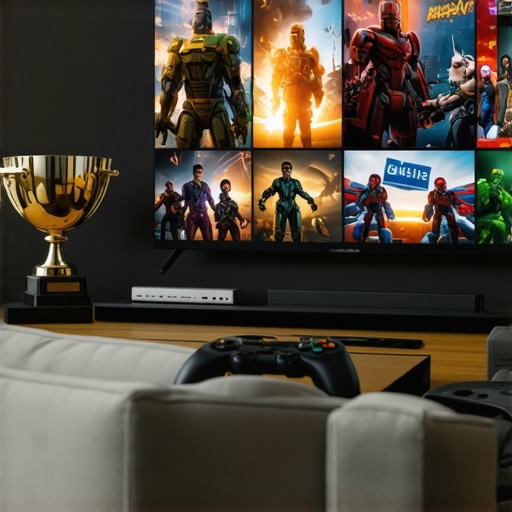
Identify what you watch most. If movies are your focus, prioritize models with excellent HDR and cinematic color reproduction. For gaming, look for low input lag, high refresh rates, and HDMI 2.1 support. When I switched to a gaming OLED, I noticed smoother gameplay and quicker response times, which made a tangible difference in fast-paced titles. For sports, brightness and motion handling are key. Check out our gaming OLEDs guide to find the best options for your needs.
Ensure Compatibility with Your Devices
Verify that your existing consoles, sound systems, and streaming devices are compatible with your chosen OLED model. Most modern OLEDs support HDMI 2.1, which is essential for 4K gaming at high refresh rates and variable refresh rate (VRR). When I set up my gaming station, I connected my PlayStation 5 and PC, both supporting HDMI 2.1, to ensure I could enjoy 4K @120Hz. Confirm your setup by consulting the manufacturer specs or our device compatibility guide.
Fine-Tune Your Picture Settings
Calibrating your OLED is the final step. Use professional calibration tools or built-in settings to optimize contrast, color, and motion smoothing. When I first set my OLED, I followed tutorials to adjust gamma and contrast, which made a noticeable difference. Remember to turn off motion smoothing if you prefer a more film-like look, or leave it on for sports and fast action. For detailed calibration tips, visit our home theater calibration guide.
Many enthusiasts and even seasoned buyers often fall into traps when selecting or evaluating OLED TVs, mainly because of widespread myths and misconceptions. Let’s dig deeper into what most people get wrong about OLED technology, especially when aiming for the best gaming, home theater, or HDR experience in 2024.
Why the notion that all OLEDs are equal is a mistake
Contrary to popular belief, not all OLED panels deliver the same performance. Many assume that a higher price tag guarantees better picture quality, but that’s not always true. Advanced features like HDR peak brightness and anti-reflective coatings can significantly impact your viewing experience. Some models excel in cinematic color reproduction, while others are optimized for gaming with lower latency and VRR support. Knowing these nuances helps you avoid buying a TV that underperforms in your primary use case.
Beware of the brightness myth
Many people think OLEDs don’t get bright enough, especially compared to LED-LCDs. While early models did struggle with peak brightness, recent breakthroughs have dramatically improved this. For example, high-end OLEDs now achieve brightness levels suitable for well-lit rooms and HDR content. If you’re into HDR movies or gaming, don’t settle for a device that only performs well in dark rooms. Check out our HDR features guide to understand what to look for.
Advanced Mistake: Overlooking response time and input lag for gamers
Many gamers focus on resolution and refresh rate but forget about response time and input lag—crucial factors for a smooth gaming experience. OLEDs generally have faster response times than traditional LCDs, but some models still perform better than others. For fast-paced titles, a response time below 1ms and input lag under 10ms make a noticeable difference. If you’re serious about gaming, explore our gaming OLEDs guide to find the best options.
What about burn-in: Is it still a concern in 2024?
Many believe that OLED burn-in is a ticking time bomb that will ruin your TV in a few years. While burn-in was a real issue for early models, manufacturers have implemented various mitigation techniques—like pixel shifting and screen savers—that greatly reduce this risk. Modern OLEDs are designed for extensive use without suffering permanent image retention, especially if you follow best practices. Still, avoid static images for prolonged periods if you want to maximize your TV’s lifespan. For detailed insights, visit our OLED technology breakthroughs article.
Have you ever fallen into this trap? Let me know in the comments. The key to choosing the perfect OLED TV in 2024 is understanding these hidden details—so you get a device that truly matches your entertainment needs.
How do I maintain my OLED TV over time?
Proper maintenance is essential to keep your OLED TV functioning optimally for years. First, regularly dust the screen with a soft, lint-free cloth to prevent dust buildup that can cause scratches or static. For deeper cleaning, use a microfiber cloth lightly dampened with distilled water or a cleaner specifically designed for screens—avoid harsh chemicals that can damage the delicate OLED panel. Additionally, consider investing in a screen calibration tool like the CalMAN software, which allows you to fine-tune color accuracy and contrast periodically, ensuring your HDR and gaming visuals remain stunning. Moreover, enabling pixel shifting or screen savers when static images are displayed for extended periods mitigates burn-in risks. Finally, keep your firmware updated through your TV’s settings menu to benefit from the latest enhancements and security patches—this is especially important for gaming OLEDs and home theater setups. As OLED technology advances, future models will likely incorporate even smarter self-maintenance features, such as automatic pixel refreshes, making upkeep easier and more effective.
In my experience, pairing routine physical cleaning with software calibration yields the best long-term results. For example, I routinely run a pixel refresh cycle using my TV’s built-in settings after watching static-heavy content or gaming sessions. This simple step can extend your OLED’s lifespan significantly. Remember, if you notice unusual flickering or persistent burn-in, reaching out to the manufacturer or a professional service is wise—don’t ignore early signs. Want to learn more about maintaining your OLED for peak performance? Visit our contact page for expert advice and tailored recommendations.
Best tools I recommend for OLED care
One tool I personally swear by is the SpyderX color calibration device. It’s user-friendly and provides precise color adjustments, which are crucial for HDR lovers and gamers seeking that perfect picture. I use the SpyderX periodically to recalibrate my TV, especially after firmware updates or when I notice color shifts. For a more automated approach, the CalMAN software paired with a compatible colorimeter allows for detailed calibration, balancing peak brightness and contrast without introducing artifacts. To prevent burn-in, I rely on the TV’s built-in pixel-shifting feature, but I also use a screensaver app on my streaming devices that activates after a few minutes of static content. For ongoing maintenance, I recommend a dedicated OLED-specific calibration service—it’s well worth the investment to keep your picture crisp and vibrant over the years.
Looking ahead, I predict OLEDs will become even smarter about self-maintenance, possibly integrating AI-driven pixel health management. Until then, manual tools and good habits are your best defense against burn-in and degradation. Try setting a weekly calibration routine or using a dedicated calibration tool to keep your OLED looking its best. For the ultimate performance, don’t forget to regularly update your TV’s firmware and disable static images during long viewing sessions. Want to elevate your OLED care routine? Reach out to experts via our contact page for personalized tips and advanced support.
The Hardest Lesson I Learned About OLED TVs, Gaming, and Home Theater
One of the most eye-opening moments for me was realizing that not all OLED panels have the same level of performance—especially when it comes to gaming response times and HDR brightness. I once bought a premium model expecting flawless visuals, only to find out it lacked the quick response needed for fast-paced games and struggled with HDR highlights. That taught me that understanding specific features like pixel response and peak brightness is crucial to truly enjoy all the benefits OLED technology offers.
My Secret Weapon for OLED Mastery
Over time, I discovered that calibration tools like the SpyderX and professional software such as CalMAN became indispensable. These tools help me fine-tune color accuracy, contrast, and prevent burn-in—keeping my OLED looking vibrant for years. Trusted sources like our HDR features guide and OLED breakthroughs article have also been game-changers in my journey.
Believe in Your Power to Customize and Maintain
Never underestimate the value of customizing your picture settings and establishing a regular maintenance routine. I set weekly calibration checks and use pixel-shifting modes to extend my OLED’s lifespan. These habits, combined with firmware updates, keep my TV performing at its best. Remember, you don’t have to be an expert—there are simple tools and guides available that make maintaining your OLED easier than ever.
Where to Go from Here for OLED Success
If you want to elevate your home entertainment, start by selecting the right panel size and understanding the specific features that match your use case. Dive into our comprehensive guide for detailed insights. Don’t forget to calibrate and keep your firmware updated—these small steps make a big difference. With the right knowledge and tools, your OLED TV can deliver breathtaking visuals for years to come.