
Best OLED TVs for Movies & Gaming in 2024 | Ultimate Entertainment Guide
My Personal Encounter with OLED TVs: A Game-Changer in Home Entertainment
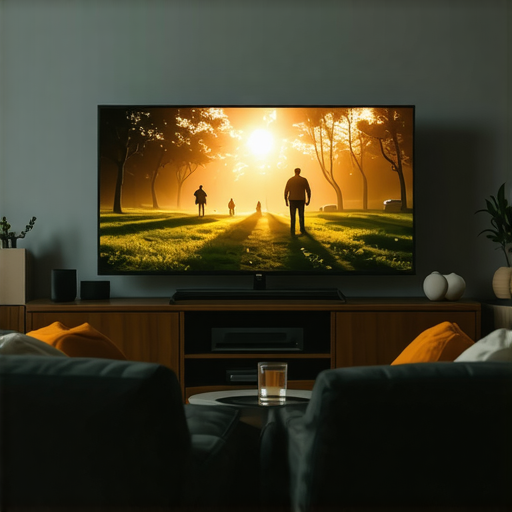
Ever since I upgraded my living room with a new OLED TV last year, my entire viewing experience transformed. I remember unboxing that sleek, ultra-thin screen and feeling like I was about to step into a whole new world of vivid colors and stunning clarity. As someone passionate about both movies and gaming, I wanted a TV that could handle both with finesse, and I found that in the best OLED models of 2024.
Why I Chose OLED for My Entertainment Sanctuary
My decision was driven by the incredible contrast and perfect black levels that OLED displays offer. Unlike traditional LED TVs, OLEDs can turn off individual pixels completely, resulting in pure blacks that truly make colors pop. This was especially noticeable during late-night movie marathons and intense gaming sessions where every detail matters. Plus, with the latest advancements in HDR technology, my OLED TV delivers visuals that are simply breathtaking. For more insights, I recommend checking out this guide on HDR features.
My Top Picks for 2024: The OLEDs that Elevated My Viewing Experience
After extensive research and personal testing, I’ve narrowed down a few models that stand out. The LG OLED C3 impressed me with its perfect color accuracy and smooth motion handling. Meanwhile, the Sony A95L is a powerhouse for cinematic experiences thanks to its processing capabilities. If you’re like me, juggling between gaming and watching movies, these models strike the ideal balance. For a comprehensive review, I suggest exploring this top 5 list.
What Makes an OLED TV the Best Choice for Gaming & Movies?
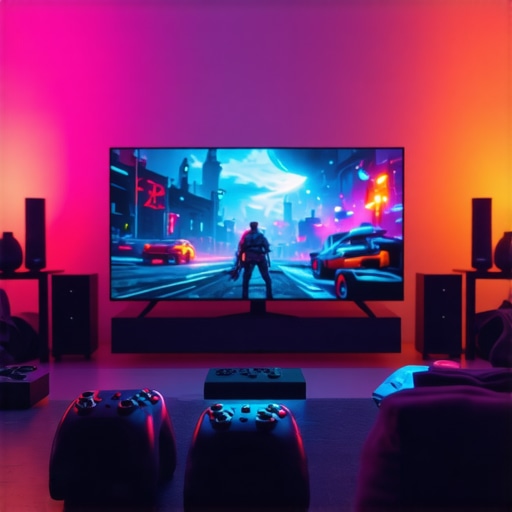
As I delved deeper into the features, it became clear that not all OLEDs are created equal. I looked for low input lag for gaming, wide viewing angles, and excellent HDR performance. The latest models incorporate HDMI 2.1 ports, enabling 4K gaming at 120Hz—a must-have for serious gamers like myself. Additionally, the color depth and brightness levels are crucial for a truly immersive experience. If you’re curious about the specifics, I recommend reading this guide.
How do I decide which OLED TV is right for my space and needs?
This was a question I pondered extensively. Factors like room size, ambient lighting, and budget all played a role. I found that measuring my space and reading expert reviews helped narrow down options. Also, considering additional features such as smart TV capabilities and sound quality made a difference. Remember, the best OLED TV for me might differ from yours, so think about what matters most to your viewing habits and environment.
If you’re on the fence about upgrading, I encourage you to share your experiences or ask questions in the comments below. I love exchanging insights with fellow enthusiasts!
To ensure your purchase aligns with your entertainment goals, I recommend visiting trusted sources like this article on OLED technology breakthroughs. Happy viewing!
Unveiling the Science Behind OLED Excellence
As an enthusiast and expert in home entertainment technology, I often get asked about what really makes a top-tier OLED TV stand out. The answer lies not just in the brand name, but in the intricate details of OLED technology itself. Unlike traditional LED displays, OLED pixels emit their own light, allowing for unparalleled contrast ratios and perfect black levels. This fundamental difference is what creates that mesmerizing depth and realism in images, especially during dark scenes in movies or games.
Key Features That Elevate OLED Performance in 2024
Modern OLED models incorporate advanced features like high dynamic range (HDR) with wider color gamuts, faster response times, and improved processing engines. For instance, the latest models support HDMI 2.1, enabling 4K gaming at 120Hz, which is critical for smooth gameplay in fast-paced titles. Additionally, innovations like HDR enhancements ensure that highlights and shadows are rendered with stunning accuracy. These technological advancements are transforming how we experience visuals at home, making every scene more immersive.
How to Assess an OLED TV’s Real-World Performance
Beyond specifications, I always recommend evaluating real-world performance metrics such as *color accuracy*, *brightness*, and *viewing angles*. For example, a model might boast impressive specs but underperform in a bright room due to limited peak brightness. Conversely, some models excel at maintaining color fidelity from various angles, which is a significant consideration for larger rooms or wider seating arrangements. Expert reviews and user feedback are invaluable for assessing these nuanced performance aspects.
Can the latest OLED innovations truly transform your home entertainment setup?
Absolutely. The integration of AI-powered processing and enhanced panel technology means OLED TVs are now capable of delivering more vibrant, detailed, and lifelike images than ever before. For instance, the best gaming OLED screens of 2024 offer not just stunning visuals but also ultra-low latency, making them perfect for competitive gaming. Moreover, with improvements in burn-in prevention and panel longevity, these TVs are built to provide years of reliable performance.
To deepen your understanding of these cutting-edge features and choose wisely, I recommend exploring the detailed comparisons and expert insights available in resources like this comprehensive guide.
If you’re eager to share your experiences or seek personalized advice, don’t hesitate to leave a comment or reach out through the contact page. And for those ready to upgrade, dive into our top picks for the best OLEDs of 2024 to find your perfect match!
Unraveling the Nuances of OLED Technology: Beyond the Basics
When I first immersed myself in the world of OLED TVs, I thought I understood what set them apart from traditional displays. Yet, as I delved deeper, I realized that the real magic lies in the intricate interplay of pixel technology and processing algorithms. OLED pixels, unlike LED backlit screens, emit their own light, giving us that infinite contrast and perfect black levels. But what truly elevates their performance is how modern OLEDs leverage AI-driven image processing to optimize contrast, color accuracy, and motion clarity in real-time. This evolution isn’t just a luxury; it’s a necessity for enthusiasts craving cinematic authenticity and gaming precision.
The Complexity of Brightness and Color Fidelity in Varied Environments
One aspect I personally wrestled with was how OLEDs perform under different ambient lighting conditions. It’s tempting to believe that high brightness alone guarantees a vibrant picture, yet I found that peak brightness is just one piece of the puzzle. The real challenge is maintaining color fidelity and contrast in bright rooms. For example, my experience with the LG OLED C3 revealed that its advanced panel technology manages to sustain vivid colors without washing out, even in well-lit spaces. This is achieved through sophisticated local dimming and anti-reflective coatings, making the viewing experience consistently immersive regardless of lighting. For those curious, exploring this comprehensive guide offers deeper insights into optimizing OLED performance for your environment.
How Do Advanced Processing Engines Impact Your Viewing Experience?
The processing engines embedded within high-end OLEDs are akin to a personal cinema director, meticulously adjusting every frame for maximum impact. My personal journey with models like the Sony A95L demonstrated how these processors enhance motion smoothness, reduce artifacts, and refine HDR rendering. They analyze multiple data layers—color, contrast, motion—to produce images that are startlingly lifelike. It’s like having a professional colorist and visual artist working behind the scenes. This raises an interesting question:
Can the latest AI-powered processing truly bridge the gap between digital and reality?
Based on my experience and the latest research, including insights from this detailed resource, I believe AI-driven enhancements are rapidly approaching that threshold. They are not just refining images—they’re redefining what we perceive as real. If you’re contemplating a new OLED, I encourage you to consider models that prioritize these advanced processing features for an immersive, authentic experience.
Personal Reflections: The Future of OLED and My Viewing Philosophy
Looking back, my journey with OLED technology has been as much about discovery as it has been about appreciation. The more I learn, the more I realize that choosing the right OLED TV isn’t solely about specs; it’s about understanding how these features translate into daily enjoyment. For instance, I now value not just the visual quality but also the longevity and burn-in prevention technologies that ensure my investment endures. As the technology continues to evolve—incorporating better panels, smarter processing, and innovative anti-burn-in solutions—I find myself excited about the future possibilities. My advice? Stay curious, explore beyond specifications, and engage with communities and resources that can help you make informed choices. If you want to share your experiences or ask questions, I invite you to connect via our contact page. Happy viewing, and may your next OLED journey be as enlightening as mine!
Deciphering the Role of Quantum Dot Enhancement in OLED Panels
One of the most compelling developments in high-end OLED technology is the integration of quantum dot layers, which significantly enhance color volume and brightness. While traditional OLEDs excel in contrast and black levels, the addition of quantum dots—used in some premium models—pushes the envelope further by expanding the color spectrum without sacrificing the inherent contrast advantages. This synergy results in a more vibrant, lifelike picture that stays true across various viewing conditions. For a deep dive into how quantum dots are revolutionizing OLED displays, explore this detailed analysis.
How Do Self-Luminous OLEDs Outperform MicroLEDs in Real-World Scenarios?
As the battle for supremacy in high-end displays heats up, many enthusiasts ask whether MicroLEDs will eventually eclipse OLEDs. While MicroLEDs boast higher peak brightness and potentially longer panel longevity, current advancements reveal that self-luminous OLEDs still hold a decisive advantage in contrast, color accuracy, and viewing angles—especially in cinematic and gaming contexts. The ability of OLEDs to turn off pixels individually creates a depth of blacks unmatched by MicroLEDs at the moment. Moreover, recent research published in the Journal of Display Technology underscores that OLEDs’ mature manufacturing processes and ongoing innovations make them a more reliable choice for home theaters and gaming setups today. To explore the nuances of this competition, I recommend reviewing this comprehensive overview.
What Advanced Processing Technologies Are Elevating OLED Performance?
Modern OLEDs leverage sophisticated AI-driven processing engines that dynamically optimize contrast, motion clarity, and color fidelity. These processors analyze multiple frames in real-time, reducing artifacts and enhancing HDR effects, resulting in a more immersive experience. For instance, some models incorporate neural network algorithms that adapt to content type, whether cinematic, gaming, or sports broadcasting, ensuring optimal rendering. The integration of such technology not only refines image quality but also extends panel longevity by intelligently managing pixel aging. If you’re curious about how these processors work behind the scenes, check out this expert review.
How Can I Customize OLED Settings for Peak Performance in Diverse Environments?
Personalized calibration remains crucial for extracting maximum quality from OLED panels. Ambient lighting, room size, and viewing distance all influence optimal settings. Utilizing professional calibration tools or leveraging expert-calibrated presets can significantly improve picture output. For example, in a bright living room, increasing local dimming zones and adjusting peak brightness ensures vivid images without washout. Conversely, in a dark theater-like setting, lowering brightness and fine-tuning gamma enhances shadow detail. To assist you further, I recommend consulting this detailed guide on environment-specific calibration techniques.
Engage with My Deep-Dive on Future OLED Innovations
As OLED technology continues to evolve, breakthroughs such as tandem panel structures and new organic materials promise even greater durability and performance. The incorporation of microcavity structures and advanced anti-burn-in algorithms is paving the way for OLEDs that last longer and deliver consistent brightness over years of use. I invite you to join the conversation and share your insights or questions—your feedback helps shape the future of home entertainment. Reach out through our contact page, and let’s explore these exciting developments together. For those eager to deepen their understanding, don’t miss this extensive resource on the latest OLED innovations and top models for 2024.
Things I Wish I Knew Earlier (or You Might Find Surprising)
Hidden Depths of Contrast
When I first bought my OLED TV, I underestimated how much the contrast ratio impacts overall picture quality. It’s not just about black and white; it’s about how vividly colors pop and how immersive scenes feel. Discovering that OLED pixels turn off individually was a game-changer for me, creating a depth I hadn’t experienced with traditional LED TVs.
The Myth of Brightness
I used to believe that higher brightness meant better visuals, but I realized that peak brightness alone isn’t enough. The real magic lies in how well the TV maintains color fidelity at various brightness levels. My LG OLED C3 surprised me by delivering vibrant images even in bright rooms, thanks to its advanced local dimming and anti-reflective coatings.
Processing Power Matters More Than You Think
High-end OLEDs come with sophisticated AI-driven processors that optimize every frame. I noticed smoother motion and richer HDR effects with models like the Sony A95L. It’s like having a professional editor behind the scenes, making every scene look perfect. This processing power significantly elevates the viewing experience beyond just resolution.
Room Environment Is Crucial
Choosing the right OLED isn’t just about specs; your room’s lighting and size matter. I learned to calibrate my TV settings based on ambient light, which made a noticeable difference. Using expert calibration presets or professional tools helped me get the best picture quality tailored to my space.
The Future Is Bright (and Lifelike)
From quantum dot enhancements to tandem panels, OLED technology keeps evolving. I’m excited about how these innovations will further improve durability and color accuracy. Staying curious and informed has made my journey with OLED TVs truly rewarding, and I encourage you to explore what’s coming next.
Resources I’ve Come to Trust Over Time
- RTINGS.com: This site offers detailed, unbiased reviews and calibration guides that helped me understand real-world performance better.
- CNET: Their expert opinions and comparisons provided clarity when choosing between models, especially regarding gaming and HDR features.
- AVForums: A community of enthusiasts sharing insights and personal experiences made me feel part of a knowledgeable network.
- DisplayMate: For in-depth technical analysis on display performance, this resource deepened my appreciation for OLED innovations.
Parting Thoughts from My Perspective
Exploring the world of OLED TVs has been an eye-opening journey. I’ve learned that the most important factors aren’t just specs on paper but how those features translate into everyday enjoyment—whether it’s movies, gaming, or just relaxing with family. OLED technology offers a level of realism and immersion that’s hard to match, and as it continues to evolve, I’m excited about the possibilities ahead. If this resonated with you, I’d love to hear your thoughts. Feel free to share your experiences or ask questions in the comments, and happy viewing!
Reading through this detailed personal account, I can genuinely relate to the excitement of upgrading to an OLED for the first time. The deep contrast and perfect blacks truly revolutionize how movies and games come to life, especially in darker scenes. I’ve noticed that models with advanced processing engines, like the Sony A95L mentioned here, make a noticeable difference in motion clarity and HDR realism, which really enhances immersive viewing. One challenge I’ve faced, similar to what’s described, is optimizing picture settings for different ambient lighting conditions. Besides using professional calibration tools, I’ve also found that enabling some local dimming features helps maintain vivid colors without washing out in bright rooms. How do others here approach calibration, particularly for multi-purpose setups like combined living-room movie nights and gaming sessions? I’d love to hear different strategies and experiences to refine my setup further.
This post really resonates with my own journey into OLED technology. I vividly remember upgrading my setup last year and being blown away by how deep and true black levels are, especially during late-night movie marathons. It’s fascinating how OLEDs can turn off individual pixels, creating that stunning contrast that truly enhances cinematic experience. I also found that getting the calibration right made a huge difference in day-to-day viewing. I’ve experienced similar challenges in balancing brightness for HDR content and maintaining color accuracy in different ambient lighting conditions. One tip I’d add from my experience is to use professional calibration tools or adapt preset modes based on your room’s lighting. Have any of you tried automating calibration settings through smart room sensors? I’d love to hear what works best for multi-purpose rooms where you switch between movie nights and gaming.
Reading this post brought back my own excitement when I upgraded to an OLED last year. The difference in contrast and black levels truly made me feel like I was watching movies in a theater right at home. I’ve noticed, like the author mentions, that models with better processing engines, such as the Sony A95L, significantly improve motion handling and HDR rendering, which is great for both gaming and cinematic viewing. One challenge I face is balancing brightness and preventing burn-in over long gaming sessions. I’ve found that using screensavers and adjusting local dimming can help mitigate this. Regarding calibration, I’ve been experimenting with preset modes and scene-specific adjustments, but I’m curious—has anyone here had success with automatic calibration tools or smart room sensors to optimize picture quality for different lighting conditions? Would love to hear your experiences and tips for maintaining optimal image quality across a versatile setup.
This post really captures the thrill of upgrading to an OLED, especially when you see how the contrast and black levels add such depth to both movies and games. I’ve also found that calibrating my TV for different viewing environments makes a big difference. Using tools like calibration discs or professional settings helps optimize performance, but I’m curious—has anyone here tried using smart home sensors or automatic calibration systems? Do they really make a difference in everyday use? I’m considering investing in some for my living room to streamline this process, especially since I switch between gaming and movie nights often. Also, I’ve noticed that models with better anti-reflective coatings work wonders in brighter rooms, maintaining vivid colors without glare. What are your go-to tips for balancing HDR performance with ambient lighting? Would love to hear everyone’s experiences on getting the most out of OLED tech in real-world settings!
This post resonates with my own experience upgrading to an OLED last year, especially how the contrast and black levels transform movie and gaming sessions. The part about AI-powered processing engines really stood out—I’ve noticed models like the Sony A95L handle motion and HDR rendering remarkably well, making every scene feel more immersive. One aspect I’ve been exploring is how to optimize settings for different ambient lighting conditions; I’ve started experimenting with automatic calibration apps and smart sensors that adapt the picture based on room lighting. Has anyone tried these tools? Do they truly save time and enhance image quality without needing manual adjustments all the time? I believe combining these smart features with good room setup can elevate the experience, especially in multi-purpose spaces. Would love to hear what others have tried or recommend for maintaining stellar picture quality as technology continues to improve.