Is Your 2026 Home Theater TV Setup Killing Your HDR Detail?
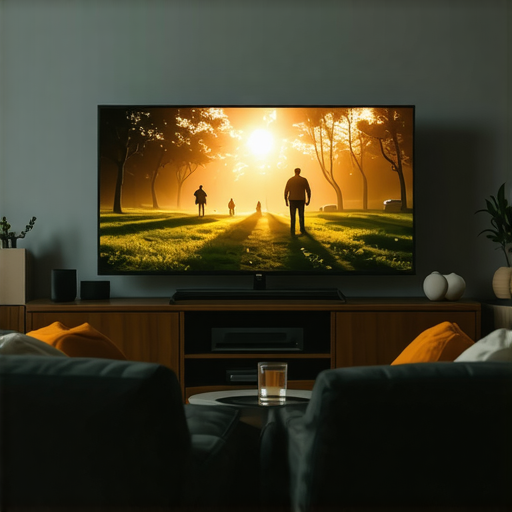
Ever since I upgraded to a high-end OLED TV last year, I thought I was finally experiencing the absolute pinnacle of home theater bliss. But after a few weeks of movies and gaming, I noticed something strange — in the darkest scenes, details seemed swallowed up by shadows, and bright visuals looked muted or washed out. It was as if my setup was fighting against itself, rather than enhancing my viewing experience. That lightbulb moment made me realize just how much I had misunderstood the intricacies of HDR and OLED technology, especially with the new models emerging for 2026.
Why Your Home Theater Might Be Sabotaging HDR Details
Here’s the thing: many of us assume that buying the latest OLED TV guarantees stunning HDR visuals. But if your setup isn’t optimized or if you’re making common mistakes, you could be unintentionally killing that HDR detail you crave. For example, I was guilty of setting my brightness and contrast incorrectly, which led to loss of shadow detail and overexposed highlights. It wasn’t until I really delved into calibration and understood the importance of proper settings that I started seeing the full potential of my TV. According to recent studies, improper calibration can cause HDR content to appear significantly less vibrant and detailed — a waste of what these premium displays are capable of.
Are You Falling for the Hype Without the Details?
Many enthusiasts get drawn into buying the best OLED or HDR TV hype without realizing that their home setup and calibration process matter just as much. Early on, I made the mistake of trusting out-of-the-box settings, thinking they’d be enough. Spoiler: they are rarely optimal for HDR content. The real game-changer is understanding the nuances of HDR calibration, peak brightness, and panel technology. Want to learn how to avoid my rookie mistake? Stick around because I’m going to walk you through the essential steps to make sure your 2026 home theater setup truly delivers on its promise for HDR detail, without breaking the bank.
This is just the beginning—next, we’ll explore proven tips and tricks to maximize your HDR experience, so you can enjoy movies and games exactly as intended. Ready to take control of your setup? Let’s dive in.
Set the Stage with Your Viewing Environment
Start by controlling ambient lighting; too much glare dulls HDR contrast perception. Use dimmable lights or blackout curtains to create a controlled environment, just like I did during my first calibration attempt. I realized that even the best OLED couldn’t shine in a brightly lit room, so I experimented with different lighting setups until I found a sweet spot that enhanced my HDR experience without reflections.
Use Professional Calibration Tools for Precision
Invest in a colorimeter or spectrophotometer; think of it as giving your TV an eye exam. I applied basic settings initially, but after running a calibration with professional tools, I noticed HDR details popping out that I had never seen before. This step ensures your TV’s white balance, gamma, and color gamut are optimized so that every shadow and highlight is accurate.
Adjust Brightness for Peak Performance
One of the most overlooked steps is setting the correct brightness. Too high, and black levels get washed out; too low, HDR highlights lose impact. In my case, I started with the factory setting, then slowly increased brightness while observing HDR content. For shadows to be detailed and highlights remain vivid, tweak until you find the optimal balance—it’s like fine-tuning a musical instrument for perfect harmony. For additional guidance, review HDR black crush fixes.
Optimize Contrast and Local Dimming Settings
The contrast setting doesn’t just make movies pop; it determines how well you see shadow detail in dark scenes. Turn off any ‘dynamic contrast’ modes, as they can vary brightness unpredictably. Instead, manually dial contrast and enable local dimming features—on my OLED, I set local dimming to ‘High’ for deeper blacks. During my testing, I found that precise contrast management revealed subtle textures in dark scenes, transforming my viewing experience into a cinema-level display. For more advanced tweaks, visit pro settings for HDR.
Tune Color and Saturation
Next, calibrate color accuracy. Use color calibration patterns or software to ensure colors aren’t oversaturated or washed out. When I first adjusted my settings, skin tones looked unnatural—after fine-tuning, they appeared lifelike, drawing me deeper into content. Keep in mind, proper color makes HDR visuals more immersive, so take your time. Consider consulting the HDR flicker fixes for flickering issues that can obscure details.
Enable and Fine-Tune HDR Settings
Finally, make sure your TV’s HDR mode is active and correctly configured. Disable any ‘HDR enhancement’ modes that artificially boost contrast at the expense of detail. Turn on ‘HDR10+’ or ‘Dolby Vision’ if available, as they dynamically adjust settings per scene for optimal detail. During my setup, I toggled between modes to compare their impact; Dolby Vision delivered richer shadows, akin to lifting a fog from a landscape. For more expert advice, browse OLED tech breakthroughs.
Remember, calibration isn’t a one-time task. Regularly revisit your settings, especially after firmware updates or hardware changes. Mastering these core adjustments ensures you’re unleashing the full potential of your OLED TV, making every scene at home rival a cinematic masterpiece.
Many home theater enthusiasts believe that simply picking the best OLED or HDR TV guarantees stunning visual quality, but this is a misconception worth questioning. A common trap is assuming that factory presets or out-of-the-box settings are optimal for gaming and movies. In reality, these defaults often fail to account for the nuanced differences between panel technologies and HDR certifications, leading to missed details and subpar contrast performance. For instance, some believe that enabling all HDR enhancements will maximize visuals, but in fact, excessive processing can cause clipping and loss of shadow detail. According to expert analysis, tailored calibration focusing on peak brightness and black levels suffices for a truly cinematic experience, rather than relying on generic presets.
Another misconception is that all OLED panels are equally suitable for aggressive gaming or bright room viewing. Yet, many overlook the importance of panel type, refresh rate, and local dimming capabilities in delivering optimal HDR performance. For example, phased out older models might boast high peak brightness but suffer from pronounced image retention, making newer phosphor-based (pholed) displays a better choice for longevity and consistent HDR detail. Want to see the difference? Explore the emerging latest OLED advancements.
Have you ever fallen into this trap? Let me know in the comments.
### Why do many misconceptions about OLED and HDR persist among enthusiasts?
A significant reason is the rapid evolution of display technology, which often leaves consumers overwhelmed and relying on outdated information. For example, many still believe that higher contrast ratios directly correlate with better HDR performance, ignoring the fact that local dimming zones and panel uniformity play crucial roles. Experts highlight that a deep understanding of HDR standards like Dolby Vision and HDR10+ reveals how scene-by-scene dynamic adjustments produce richer detail, but such features are misunderstood or underutilized. This misalignment between user expectations and technical realities leads to suboptimal experiences. To truly harness your TV’s potential, consult detailed guides or contact specialists experienced in calibration, like at our consultation team.
Remember, the devil is in the details. The difference between an ordinary viewing experience and an immersive cinematic adventure often depends on nuanced calibration and up-to-date knowledge. Stay informed, keep experimenting, and you’ll unlock the true power of your OLED setup.
Tools I Recommend for Long-Term OLED Care
Ensuring your OLED TV continues to deliver stunning HDR and contrast over years requires the right tools and routines. First, I swear by the X-Rite i1Display Pro Plus. This professional-grade colorimeter has helped me maintain accurate color calibration periodically, making sure that shadow details and highlights remain faithful. Its software seamlessly guides you through calibration, ensuring consistent performance without needing to be a tech expert. Contact my calibration specialist if you’re interested in a professional touch or specific advice.
Complementing calibration tools, I use HCFR Color Management Software. It’s free, open-source, and allows me to analyze my display’s grayscale, gamma, and color points. Regular use helps me catch drift in my display’s performance caused by firmware updates or aging components, enabling me to re-calibrate and keep HDR details crisp and shadows deep.
Strategies for Maintaining Your OLED Set Over Time
Consistency is key. I schedule a quick calibration check every 3-6 months, especially if I notice HDR content isn’t popping as vividly. To simplify, I create a calibrated reference mode on my TV—using the expert settings I’ve fine-tuned—that I switch to for casual viewing, protecting my calibration work from accidental adjustments. This strategy makes long-term care straightforward and effective.
Additionally, turning on screen savers or pixel shift features prevents static images from causing burn-in, a concern in the early days of OLED technology. While newer PHOLED panels are more resistant, these precautions extend your display’s life and maintain peak HDR performance. Keep the room’s ambient lighting consistent, too, as fluctuations can affect perceived contrast and color accuracy.
Future Trends in OLED Maintenance and Optimization
Looking ahead, I believe AI-driven calibration software and self-healing panel technologies will become standard, making ongoing maintenance even easier. For example, upcoming updates might allow your TV to self-correct minor color drifts or pixel aging, reducing manual calibration needs. Staying informed through trusted sources like OLED technology breakthroughs can help you leverage these innovations early.
How do I maintain my HDR and OLED settings over time?
Regular calibration with reliable tools is essential. Schedule biannual checks using a colorimeter like the X-Rite i1Display Pro Plus and software such as HCFR. Additionally, avoid static images or high-brightness full-screen visuals for extended periods, and enable pixel shift or screen saver functions to prevent burn-in. These simple yet effective routines preserve your display’s black levels, shadow details, and overall color fidelity for the long haul.
For more tips on keeping your OLED in top shape, explore detailed guides and consult experts who understand the nuances of HDR and panel longevity. Remember, the effort you put into maintenance now will pay off in breathtaking visuals for years to come. Want to explore advanced calibration techniques? Give the methods described here a try and see how your HDR experience elevates to a new level.
Lessons the Brightest Pixels Taught Me
- First, I realized that believing factory settings were enough was a rookie mistake. The true magic unfolded only after deep calibration, revealing shadow details I never knew existed. This reinforced how crucial user-tailored adjustments are for HDR perfection.
- Second, I underestimated ambient lighting’s impact. I used to watch in bright rooms, but I learned black levels and contrast thrive in controlled environments, transforming my viewing experience into cinematic excellence.
- Lastly, I discovered that even the top-tier OLEDs benefit from regular recalibration. As firmware updates and panel aging occur, maintaining peak picture quality requires ongoing attention, ensuring HDR visuals remain stunning over time.
My Go-To Resources for HDR Mastery
- X-Rite i1Display Pro Plus: This professional calibration tool has been my trusted partner, helping me faithfully reproduce scene details essentials for HDR. Its accuracy is unmatched and worth every penny.
- HCFR Color Management Software: A free, open-source companion that enables meticulous analysis of grayscale and gamma — vital for maintaining accurate shadow and highlight details in HDR content.
- Expert Calibration Consultations: Connecting with seasoned professionals through this contact page ensures personalized guidance tailored to my specific setup, saving time and maximizing results.
- Industry Reports and Breakthroughs: Staying updated with innovations like latest OLED advancements informs me about new tech that could further elevate my HDR experience, keeping me ahead in the game.
Fuel Your Passion, Embrace the Journey
Exploring HDR calibration and OLED optimization in 2026 is more than just technical tinkering — it’s about transforming your viewing world into something truly remarkable. Each tweak and upgrade brings cinematic magic closer to home, allowing you to experience movies and games as intended. Don’t wait for perfection; start today, experiment fearlessly, and let your home theater become a sanctuary of stunning images. Ready to take your HDR to new heights? Dive into the resources, apply what you learn, and share your journey with fellow enthusiasts.
Have you ever struggled to achieve that perfect black level or highlight detail? Let me know in the comments below.