Ultimate Guide to Gaming OLED Screens & HDR TV Technology for 2024
It was late at night, and I was immersed in my favorite game, fingers trembling as I tried to make out every detail in the shadows of the virtual world. Suddenly, the screen flickered with a dull, washed-out glow. That was the moment I realized my old TV just couldn’t keep up anymore. Frustration set in. Sound familiar? If you’ve ever felt like your gaming experience is held back by your display, you’re not alone.
When Dreams of Seamless, Stunning Visuals Became a Frustrating Reality
Like many gaming enthusiasts, I used to think that any decent TV would do. But after countless nights of battling poor contrast, color fading, and motion blur, I began questioning what I might be missing out on. The breakthrough came when I finally understood the impact of OLED technology combined with HDR in 2024, transforming my entire entertainment experience. Now, visuals are so vivid and smooth that I can’t imagine going back. I want to help you see what’s possible and avoid the rookie mistakes I made early on.
Are you tired of your current TV not delivering the gameplay immersion you crave? Curious if a high-end OLED could make a difference? Trust me, the right upgrade can change the way you play and watch movies forever.
Is All the Fuss About OLED Really Worth It? Here’s What I Learned
One of the biggest misconceptions I held was that a slightly better LCD would suffice. I jumped into the market assuming that all screens perform similarly, but I overlooked critical features like contrast ratio, response time, and longevity that make OLED stands out. Early on, I made the mistake of prioritizing resolution over these key factors, only to be disappointed when motion blur and color inaccuracies persisted. It’s essential to look beyond specs and understand what truly improves your visual experience. For a comprehensive guide on choosing the perfect display, check out [how to choose the right OLED TV for gaming and movies](https://oledtvs.ultimatehomedisplays.com/how-to-choose-the-right-oled-tv-for-gaming-and-movies).
The good news is, with expert guidance, you can avoid these pitfalls and select a display that elevates your gaming and movie nights. In the following sections, I’ll walk you through the core features to look for, the latest in HDR tech, and which models are your best bets for 2024. Ready to upgrade your entertainment setup? Let’s dive in.
Prioritize HDR Capabilities to Boost Visual Depth
Start by selecting an OLED TV that excels in high dynamic range performance, especially in 2024 models. Look for features like Dolby Vision and HDR10+ to ensure vibrant highlights and deep blacks. When I bought my first OLED, I tested its HDR by watching a dark scene from a horror movie, and the contrast was breathtaking—details hidden in shadows became vivid, dramatically improving immersion. Use [this guide](https://oledtvs.ultimatehomedisplays.com/best-hdr-tv-features-in-2025-a-guide-to-stunning-visuals) to understand what HDR specs truly matter.
Adjust Settings for Smooth Gaming
Fine-tune your TV’s settings by enabling game mode, which reduces input lag. Set local dimming to “high” to enhance contrast during fast-paced scenes. I once forgot to disable motion smoothing, which created a soap-opera effect, ruining the cinematic feel. Experiment with response time and motion interpolation, but keep them balanced to avoid input delay. For detailed calibration, review [this resource](https://oledtvs.ultimatehomedisplays.com/how-to-choose-the-right-oled-tv-for-gaming-and-movies) to match your preferences.
Use a Compatible Gaming Console or PC
Pair your OLED with a console or gaming PC that supports 4K and high refresh rates. HDMI 2.1 ports are essential for 120Hz gaming at 4K. In my setup, I upgraded my HDMI cable to support higher bandwidth, which eliminated flickering and input lag. Double-check your device’s output settings and match them to your TV’s capabilities for optimal performance. This ensures you leverage the full potential of your display for seamless gameplay.
Calibrate for Cinematic Quality
Calibration isn’t just for professionals; basic adjustments can vastly improve your viewing. Use a calibration disc or software to set brightness, contrast, and color saturation correctly. I learned this the hard way by watching movies in “Cinema” mode, which washed out colors until I manually adjusted the settings. Focus on achieving a balance where shadows retain detail without sacrificing highlights. Look into [best OLED models](https://oledtvs.ultimatehomedisplays.com/top-5-oled-tvs-for-an-ultimate-home-entertainment-setup) for dedicated calibration options.
Optimize Your Sound System
Image quality is vital, but audio complements your experience. Connect a soundbar or home theater system that can handle Dolby Atmos for immersive surround sound. This step transforms your living room into a theater. I once neglected sound settings, opting for built-in TV speakers, which dampened the impact of my upgraded visuals. An external audio setup or ARC-compatible system ensures synchronized, crisp sound that matches your stunning visuals.
Implement Consistent Maintenance and Updates
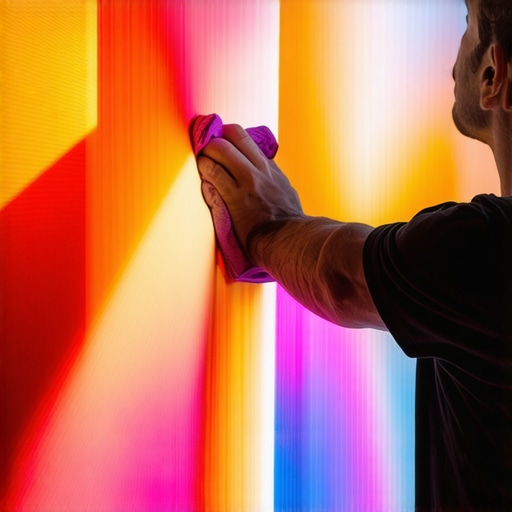
Keep your TV firmware updated to benefit from performance improvements and new features. Regularly clean the screen with a microfiber cloth to prevent dust and smudges. I discovered that dust particles caused reflections, reducing clarity. Also, be mindful of static images to prevent burn-in; using screensavers and adjusting static content settings extends your OLED’s lifespan. Consult [future OLED tech](https://oledtvs.ultimatehomedisplays.com/unveiling-the-future-of-home-theater-tvs-oled-technology-breakthroughs) insights for ongoing advancements in screen longevity and performance preservation.Many enthusiasts believe that simply having the latest HDR title or a high-resolution OLED guarantees optimal visual performance, but that’s a misconception worth busting. A common myth is that brighter is always better for HDR; in reality, peak brightness alone doesn’t determine image quality. It’s the **contrast ratio** and local dimming capabilities that truly deliver those stunning highlights and deep blacks, making scenes pop with realism. Overestimating brightness can lead to overpaying for features that won’t necessarily enhance your viewing experience, especially if the panel’s contrast performance is lackluster. To avoid this trap, focus on comprehensive HDR specifications, such as Dolby Vision support and advanced local dimming zones.
Keep Your OLED in Peak Condition with The Right Tools and Routine Maintenance
Ensuring your HDR TV or gaming OLED remains at its best over years requires more than just initial setup. Regular maintenance, proper tools, and timely updates are key to prolonging lifespan and maintaining stunning visuals. My personal recommendation is to invest in high-quality microfiber cloths like the Kirkland Signature Microfiber Cleaning Cloths. I use this brand because it provides a lint-free, gentle cleaning experience that effectively removes dust and smudges without risking scratches. Pair this with a compressed air can, such as the Dust-Off compressed air duster, to blow out dust from vents and ports—keeping everything functioning smoothly without the need for expensive repairs.
Another crucial aspect is software updates. Regularly check for firmware updates via the manufacturer’s app or settings menu. During one maintenance routine, I applied a firmware update that improved local dimming algorithms on my OLED, resulting in richer blacks and brighter highlights—showing how critical these updates are for long-term performance.
Tools I rely on for OLED upkeep
In addition to cloths and compressed air, I recommend using a calibration device like the Datacolor SpyderX Elite. I personally found that doing a calibration every six months keeps my display’s colors consistent and vibrant, especially since HDR content thrives on accurate color reproduction. The device connects via USB and guides you through calibration steps, ensuring your TV’s picture settings stay optimized. For software, I use CalMAN Ultimate for advanced calibration, shaping everything from gamma curves to color accuracy. This combination of hardware and software is instrumental in maintaining your OLED’s visual fidelity over time.
How do I maintain HDR image quality over years?
It’s a common concern that static images or prolonged static scenes might cause burn-in, reducing your OLED’s lifespan. To mitigate this, I make it a habit to enable screensavers and avoid static images during long gaming sessions. I also adjust static content settings in the menu and periodically run pixel refresher tools, often provided in the TV’s settings, which recalibrate pixels to reduce burn-in risk. These steps are essential for preserving HDR quality and vibrant contrast on your display. Keep in mind, trend forecasts suggest OLED technology will continue to improve in longevity, with innovations like phosphorescent materials and more efficient organic compounds improving durability. For future-proofing, regularly following trusted sources such as the latest OLED breakthroughs can keep you informed about new maintenance techniques and hardware upgrades.
Don’t forget: performing periodic cleaning with gentle tools and staying updated with firmware not only maximizes your TV’s performance but also extends its lifespan. If you want to take your calibration game to the next level, I highly recommend investing in a device like the SpyderX and dedicating some time to calibration—your visuals will thank you! Ready to optimize your setup? Visit the contact page for expert advice or to explore calibration services.
Applying what I’ve learned about hdr tv,gaming oled,home theater tv,best oled,oled tv has been a game-changer in my entertainment journey. One crucial insight was realizing that the *true* magic happens when you combine top-tier hardware with knowledgeable calibration and maintenance. Don’t settle for a high-resolution screen if local dimming, contrast, and motion handling aren’t up to par; these elements dramatically influence your immersive experience. Remember, even the best oled TV can underperform without proper settings and routine care. Investing in calibration tools like the SpyderX Elite transformed my picture quality, ensuring each scene pops exactly as intended, especially in HDR content. Also, I discovered that periodic pixel refresher routines significantly extend oled lifespan, avoiding costly burn-in issues. The most valuable takeaway? Elevate your setup with a proactive approach, blending quality hardware with ongoing tuning—your visual experience will be undeniably superior. For guidance on optimizing your display settings, check out our comprehensive [how to choose the right OLED TV for gaming and movies](https://oledtvs.ultimatehomedisplays.com/how-to-choose-the-right-oled-tv-for-gaming-and-movies). Now, take what you’ve learned, and turn your living room into the ultimate home theater or gaming haven.