8K vs 4K: Why Your 2026 Home Theater TV Only Needs 4K
It was late at night, and I was basking in the glow of my latest OLED upgrade, feeling pretty proud of my setup. Suddenly, I noticed something odd—details in my favorite movie’s dark scenes looked muddled, almost like the picture was losing depth and richness. That lightbulb moment hit hard: I’d invested in the newest 8K display, yet I was still struggling with picture quality. If you’re like me, you might be dreaming of the next big thing in home theater tech, especially with the hype around 8K and even higher resolutions. But here’s the truth—most of us only need 4K in 2026, and relying on the latest 8K might actually be overkill.
Why Less Can Be More in the World of 8K vs. 4K
The tech industry often pushes us to chase bigger numbers—more pixels, higher resolutions, faster refresh rates. But let’s be honest: in our homes, the difference between 4K and 8K often isn’t noticeable beyond a few inches from the screen. I’ve made this mistake early on, thinking that bigger was automatically better. I didn’t realize that 8K displays demand more from your room size, content compatibility, and even your hardware—you need specialized cables, wider bandwidth, and a room with perfect lighting to truly appreciate the difference.
Plus, let me share a surprising fact: according to industry experts, the human eye struggles to distinguish individual pixels beyond about 77 pixels per degree of vision—a level that most 4K TVs comfortably meet in typical living room viewing distances. That means that for the average home theater setup, 8K’s advantages are mainly hype unless you’re sitting very close to the screen or have a giant living room.
So, what does this mean for us? It’s about making smarter choices—investing where it counts. Instead of chasing the 8K trend, I found that focusing on quality HDR, color accuracy, and native contrast—like what you get with top-tier OLED TVs—delivers a much more satisfying experience.
Are you tired of spending thousands on the latest display, only to be disappointed by your picture quality? Or worse, feeling overwhelmed by all the conflicting tech specs? You’re not alone. The good news is, there’s a way to cut through the noise and set up a home theater that truly shines without breaking the bank.
In the next sections, I’ll share practical tips on why 4K is more than enough, and how to choose the right TV for your needs. But first, let’s examine the skeptics’ most common fear—whether 4K really can hold its own against the alluring hype of 8K.
Select the Ideal Size and Position for Your OLED
Start by choosing a screen size that fits your room without overwhelming it. Aim for a viewing distance where the screen occupies about 30 degrees of your visual field—roughly 1.5 times the screen’s diagonal in inches. For instance, a 55-inch TV should be positioned about 6.5 feet away. Use a sturdy wall mount or TV stand to minimize vibrations and ensure correct eye level positioning for optimal viewing comfort. I once struggled with a too-high mount, causing neck strain during long movies—adjustments made a huge difference. 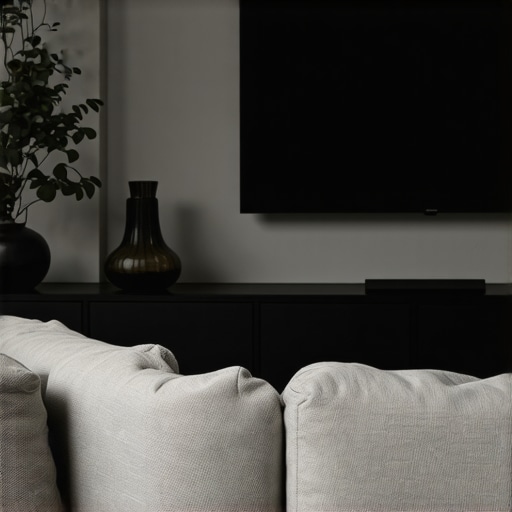
Calibrate Your HDR Settings for Vivid Colors
Proper HDR calibration unlocks the true potential of your OLED. Focus on enabling ‘HDR Gaming’ mode if available, and tweak settings like contrast, brightness, and local dimming for maximum inky blacks and peak highlights. For dark scenes, adjust the ‘Black Level’ to prevent crushed blacks, which hide shadow details. I experimented with different presets and found that custom calibration using a pattern generator yielded the best results. This can significantly improve scene depth and realism. Explore more about HDR optimization at this guide for detailed steps.
Optimize Your Game Settings for Smooth Performance
When gaming on your OLED, turn on features like ‘Variable Refresh Rate’ (VRR) and ‘Auto Low Latency Mode’ (ALLM) to eliminate screen tearing and input lag. Set the ‘Game Mode’ to maximize responsiveness, but be mindful that some settings may reduce overall picture brightness or contrast. Adjust the ‘Black Frame Insertion’ (BFI) feature to reduce motion blur, which is critical for fast-paced games or sports. I faced artifacts with some BFI settings, so I progressively tuned until clarity improved. For science-backed advice, check out this expert guide.
Use preset modes like ‘Cinema’ or ‘HDR Movie’ for movies, and switch to ‘Gaming Mode’ for interactive experiences. Manually adjust peak brightness to prevent blooming and maintain contrast detail, especially in bright rooms. For HDR content, ensure the ‘HDR Tone Mapping’ is properly calibrated to avoid washed-out images or crushing shadows. I once ignored these adjustments, resulting in dull scenes—once corrected, the visuals popped vividly. Regularly update your TV firmware to access the latest calibration profiles, which can be found via this resource for hardware tuning tips.
Set Up Ambient Light and Motion Enhancements
Control ambient lighting with curtains or bias lights to reduce glare and improve perceived contrast. Enable ‘Motion Smoothing’ selectively—disable it for movies to preserve cinematic feel, but turn it on for sports or gaming to smooth rapid movements. Dynamic contrast features can sometimes lead to unnatural picture, so test different settings and choose what looks best to your eye. During a late-night movie, I found turning off certain motion artifacts made scenes more immersive. For detailed calibration techniques, refer to this comprehensive guide.
When it comes to upgrading your home theater or gaming setup, there’s a common misconception: if a TV boasts impressive specs like high HDR brightness or ultra-fast refresh rates, it’s automatically the best choice. But let’s dig deeper. Many enthusiasts assume that peak nit levels or 120Hz refresh rates always translate to better picture quality, yet the reality is far more nuanced. For instance, a TV with high peak brightness might still struggle with accurate color rendering or local dimming, leading to washed-out highlights despite impressive numbers. This is where detailed calibration becomes critical; without it, you’re often left with subpar visuals despite the touted specs.
A typical mistake is over-relying on specifications like HDR brightness without considering the panel’s actual ability to display true 10-bit color or the quality of its processing engine. Believe me, a TV with calibrated HDR and excellent color science will outperform one that just hits a high nit count but produces oversaturated or artificially boosted highlights. For those seeking the ultimate cinematic experience, focusing on native contrast ratio and local dimming performance pays dividends. Industry expert reviews, such as those from this source, stress how crucial calibration and panel technology are over raw numbers.
Why do many gamers and cinephiles get it wrong? They often assume that advanced features like low input lag or high refresh rates are enough. But, in practice, if the TV’s image processing introduces latency, or if motion interpolation creates artifacts, your experience can suffer regardless of the specs. For example, ‘gaming OLEDs’ with ultra-fast response times need the right settings—like disabling motion smoothing and enabling VRR—to deliver crisp, tear-free gameplay. A mismatch here is a common trap—hardware with high potential ruined by improper setup.
**How can you troubleshoot this?** Start by ensuring your TV’s firmware is updated, as manufacturer software often improves processing and feature support—see this detailed guide on calibration. Next, dive into custom picture modes rather than default presets; they allow you to optimize color accuracy, contrast, and motion handling. Remember, no matter how advanced the panel, its full potential is unlocked only through meticulous calibration. Many overlook this step, but experts agree—precision adjustments make a noticeable difference.
Similarly, for gaming, understanding the importance of signal formats and cable quality is often underestimated. Using HDMI 2.1 cables and enabling features like ‘ALLM’ and ‘VRR’ can transform your gaming experience, eliminating tearing and input lag issues. Don’t fall into the trap of neglecting hardware compatibility—check this resource for advanced setup tips.
In summary, mastering your OLED or HDR TV requires more than understanding specs—it demands attention to calibration, signal integrity, and processing nuances. Avoid being dazzled by numbers alone. For a comprehensive overview on features that genuinely boost your viewing pleasure, explore this guide. Have you ever fallen into this trap? Let me know in the comments.Maintaining your OLED TV’s stunning picture quality over time requires the right tools and techniques. Personally, I rely on professional calibration hardware like the X-Rite i1Display Pro Plus to precisely adjust color accuracy and ensure my display remains vibrant and true to life. This device connects to my laptop via USB and works seamlessly with calibration software such as CalMAN or DisplayCAL, which I highly recommend for their comprehensive features and user-friendly interfaces. Using these tools, I perform regular calibration sessions, especially after firmware updates or noticeable shifts in picture quality, to keep my OLED display performing at its best.
Another essential tool is a test pattern generator like Spear Entertainment’s CLM Test Pattern Generator. It allows me to verify and fine-tune HDR peak brightness, black levels, and local dimming performance. By running specific test patterns, I can identify issues such as crushed blacks or washed-out highlights and adjust my TV settings accordingly. This proactive approach prevents long-term degradation of image quality.
For long-term results, I adhere to a routine maintenance schedule, performing calibration every six months to accommodate potential aging of display components. Additionally, I keep my TV firmware updated, as manufacturers often release patches that optimize performance and fix issues. Remember, calibration isn’t a one-time effort; periodic adjustments are key to preserving the immersive experience OLED technology promises.
Looking forward, I predict that calibration tools will become more integrated with smart home ecosystems, enabling automatic adjustments based on ambient lighting and content type. As OLED panels continue to evolve, maintaining their performance will require sophisticated yet accessible tools that empower users to act proactively.
**How do I maintain my OLED TV’s performance over time?** The key is investing in professional-grade calibration hardware paired with reliable software, and establishing a regular routine to keep everything in check. Don’t underestimate the impact of minor calibration tweaks—like adjusting local dimming or white balance—that can make a significant difference in picture fidelity. For example, I recently used the X-Rite device to calibrate my HDR settings, resulting in noticeably richer contrast and color depth. I encourage you to try this setup—it’s an investment that pays off in ongoing picture perfection. If you’re interested, explore detailed calibration techniques and recommended tools at this resource.
The Wisdom Hidden in Plain Sight about Screen Calibration
One of the most eye-opening lessons I learned was that perfect picture quality isn’t just about high resolution specs; it’s about how you fine-tune your display. Constantly chasing higher pixel counts can distract from the real gains—like accurate color, contrast, and brightness calibration. My breakthrough came when I finally took the time to calibrate my OLED properly, revealing details I never knew existed. Don’t underestimate the value of dedicated calibration; it transforms your viewing experience from good to extraordinary. For trusty tools and tips, check out this calibration guide.
Evolving My Home Theater to Its Maximum Potential
I used to think that room size and seating distance didn’t matter much—until I realized that these factors dramatically impact perceived picture quality. The right positioning, combined with ambient light control, amplified my OLED’s vividness and contrast. It’s not about having the latest tech but about optimizing what you already have. Experimenting with lighting and placement unlocked a cinematic atmosphere that makes every movie night feel special. Remember, a well-placed TV and controlled environment are your secret ingredients for a stunning home theater. For setup inspiration, visit this resource.
Why Your Content Quality Matters More Than the Tech Specs
Jumping into 8K hype without considering content quality was my biggest rookie mistake. I learned that even the most advanced display can’t fix poor source material. Investing in high-quality HDR content, ensuring proper streaming settings, and selecting the right playback devices made a more noticeable difference than chasing after the latest resolution. My rule now: focus on source quality first—your viewing experience depends on it. To learn more about content optimization, explore this detailed guide.
Mastering the Art of Staying Ahead Without Getting Overwhelmed
I’ve realized that technology advances quickly, but not every new feature is necessary for everyone. The key is to pick features that genuinely enhance your personal experience. For instance, high refresh rates are fantastic for gaming, but only if your display, cables, and settings support it properly. It’s tempting to chase every new trend, but patience and targeted upgrades often yield the best bang for your buck. Keep a focus on calibration and environment adjustments—these are the game-changers that don’t get old. For expert insights on future-proofing, take a look at future-proof tips here.
What Lessons Have You Learned on Your Home Theater Journey?
Building the perfect home theater is as much about patience and experimentation as it is about high-end tech. Have you ever been surprised by how much room lighting, seating distance, or calibration impacts your picture quality? Share your insights or questions in the comments below—let’s learn from each other’s experiences. Remember, the right setup, combined with informed choices, turns a good TV into a lifelong entertainment partner. Want personalized advice? Feel free to reach out here.